
Unified Growth Solution
World-class tech needs world-class drivers. AI platform and expert services, unified
Read time 6 minutes


Forrester: Optimove’s Total Economic Impact
Why it matters:
Based on insights from Back-to-School 2025: The Empathy Imperative, this blog helps marketers understand how to navigate the season with empathy, not just offers. It highlights what today’s parents expect from brands: real-time support, thoughtful communication, and a move away from purely transactional messaging. It also provides practical guidance to help retailers meet these expectations while building lasting loyalty.

Key takeaways:
Back-to-school shopping remains a key moment for retailers, although this year it comes with heightened financial pressure. Parents are approaching the season with caution, balancing rising costs, economic uncertainty, and a clear desire to feel understood.
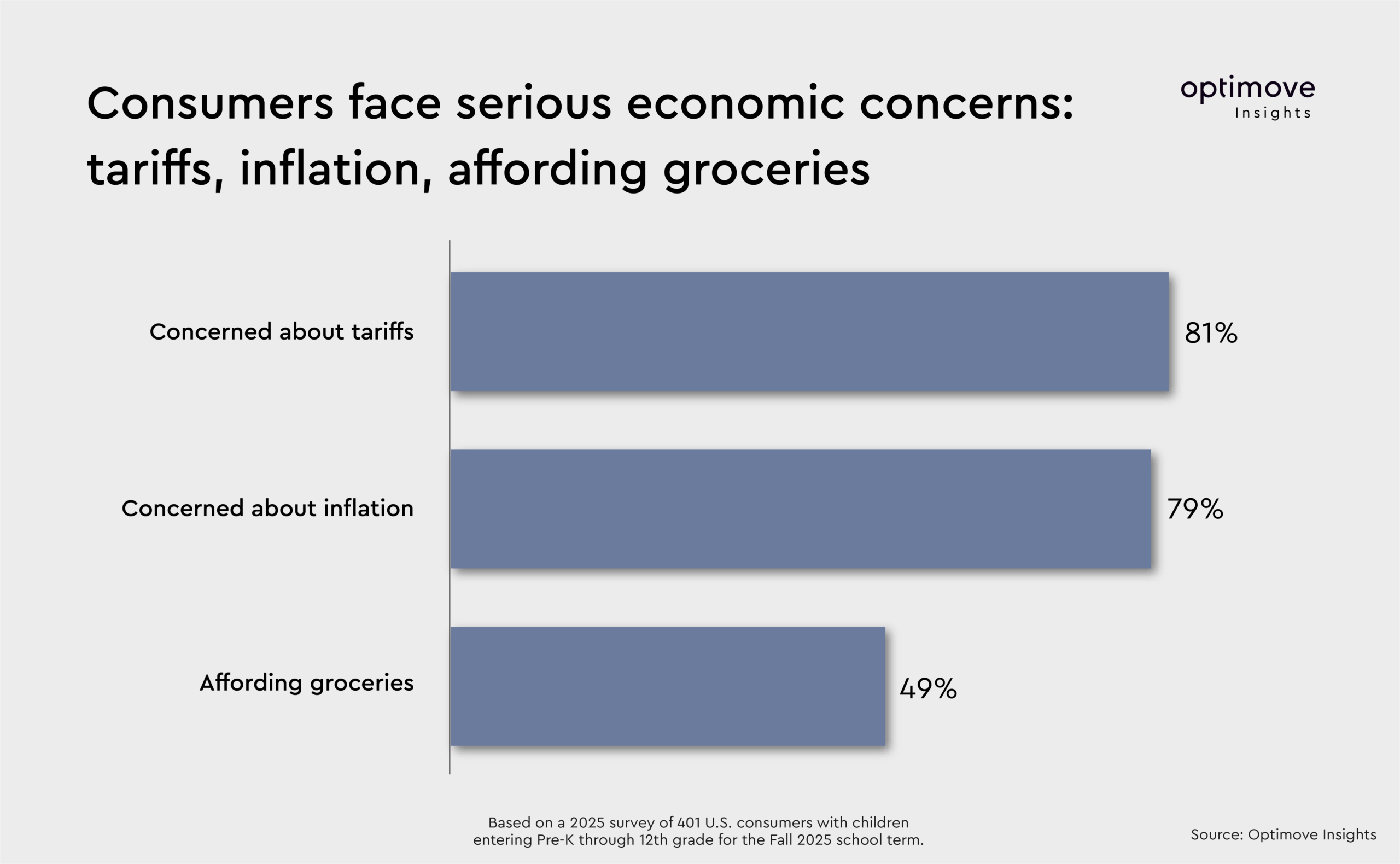
Optimove’s latest report, Back-to-School 2025: The Empathy Imperative, shows that only 22% of parents feel brands are really trying to build a real relationship with them. The vast majority believe companies are simply trying to close a sale. At the same time, 81% are concerned about tariffs, and nearly half (46%) cite budget pressure as their biggest worry.
In a season defined by financial and emotional strain, retailers must go beyond standard promotions. Those that lead with empathetic engagement, timely offers, and personalized experiences will be best positioned to earn trust and loyalty.
See more details in the chart below:
Even with growing financial pressure, parents are not lowering their standards. Eight out of ten say quality is the most important factor in their back-to-school purchases, followed closely by price. That balance between value and cost is shaping how they shop and which brands they choose.
Brand loyalty appears strong, with 87% of parents saying they are likely to buy from the same brand as last year. But that loyalty has limits. 78% admit that a well-timed discount or promotion could change their mind.
To stay top of mind, brands need more than recognition. They need to deliver timely value, personalized offers, and a clear understanding of what families are going through.
Too many brands are talking to parents instead of connecting with them, and shoppers are tuning out.
While personalization is gaining traction and becoming a staple for retailers, it often misses the mark. Parents want messages that reflect their real needs, not just their purchase history. Sixty-seven percent (67%) value timely and relevant communication, but 85% unsubscribe when they feel overwhelmed.
The problem isn’t volume alone. It’s intent. Sixty percent (60%) of parents believe companies are just pushing to close sales. Clearly, when personalization feels transactional instead of thoughtful, it does more harm than good.
Empathy is not just tone. It is a strategy that depends on timing, context, and execution. However, most marketing teams still rely on workflows that are too slow and fragmented to keep up with fast-changing customer needs.
Positionless Marketing gives marketers that ability. By removing silos and allowing teams to act independently, it helps brands adapt in real time. Whether it is launching a promotion in response to a pricing shift or adjusting tone and frequency based on customer fatigue, marketers gain the flexibility to respond faster and more thoughtfully.
AI plays a key role here. It allows marketers to scale personalization without losing the human touch. For retailers navigating a sensitive season, that kind of agility is what makes empathy possible. This shift allows brands to move from being just vendors to becoming trusted partners during a sensitive shopping season.
Positionless Marketing enables teams to move faster and respond with empathy. The following six priorities show where that agility can have the greatest impact during the back-to-school season:
Empathy may be at the forefront of this back-to-school season, but it is not just a response to temporary pressure. It is becoming a defining expectation. When parents say they feel unheard, overwhelmed, or reduced to a transaction, they are not just reacting to marketing volume. They are reacting to how brands choose to show up in moments that matter.
In a period of economic uncertainty, empathy becomes even more critical. Families are adjusting not only their budgets but their expectations around how brands communicate and support them.
Retailers who treat empathy as a mindset, not a message, will be better prepared to build long-term loyalty. Those who structure their teams to act on that empathy consistently will move faster and connect more meaningfully.
Download the full Back-to-School 2025: The Empathy Imperative report for deeper insights on how consumer expectations are shifting, and how Positionless Marketing can help retailers respond with consistency and care.
Forrester: Optimove’s Total Economic Impact
The Forrester Total Economic Impact™ Study shows that Optimove’s Positionless Marketing Platform drives an 88% boost in campaign efficiency.


Rony Vexelman is Optimove’s SVP of Marketing. Rony leads Optimove’s marketing strategy across regions and industries.
Previously, Rony was Optimove's Director of Product Marketing leading product releases, customer marketing efforts and analyst relations. Rony holds a BA in Business Administration and Sociology from Tel Aviv University and an MBA from UCLA Anderson School of Management.