Unified Growth Solution
World-class tech needs world-class drivers. AI platform and expert services, unified
Read time 6 minutes


Why it matters:
Gamification in loyalty programs helps marketers reduce churn by making repeat engagement feel fun, rewarding, and habit-forming. This post shows how to align game mechanics with business goals so loyalty drives measurable retention and advocacy.
Key takeaways:
Using gamification in loyalty programs is a hot trend right now, and for good reason. It’s been shown to increase customer retention by a whopping 30%, making gamification a powerful tool for engaging and retaining customers.
Let us tell you a secret about your customers—they love playing games.
If you think that’s not a big deal, consider this: companies that combine gamification and loyalty programs see customer retention increase by 30%.
The average person enjoys the thrill of competition and the small rewards that come with it, which is what makes gamification so powerful. And it’s the main reason so many companies invest in loyalty program gamification.
Who can blame them? With platforms like Optimove Minigames, almost anyone can launch a gamified loyalty program in minutes.
Gamification means taking something that typically isn’t fun—such as building a loyalty program—and turning it into a more enjoyable game-like process. It usually includes these elements:
• Point systems
• Awards and badges
• Competition features
• Some skills
• A little bit of luck
Gamification is great for building loyalty, onboarding employees, engaging conference attendees, and improving education.
The first step is to determine your business goals, because loyalty program gamification is never random. On the contrary, you need to know exactly what you want to achieve with it. Is it to build relationships or to drive more website traffic? Perhaps it’s to boost brand advocacy?
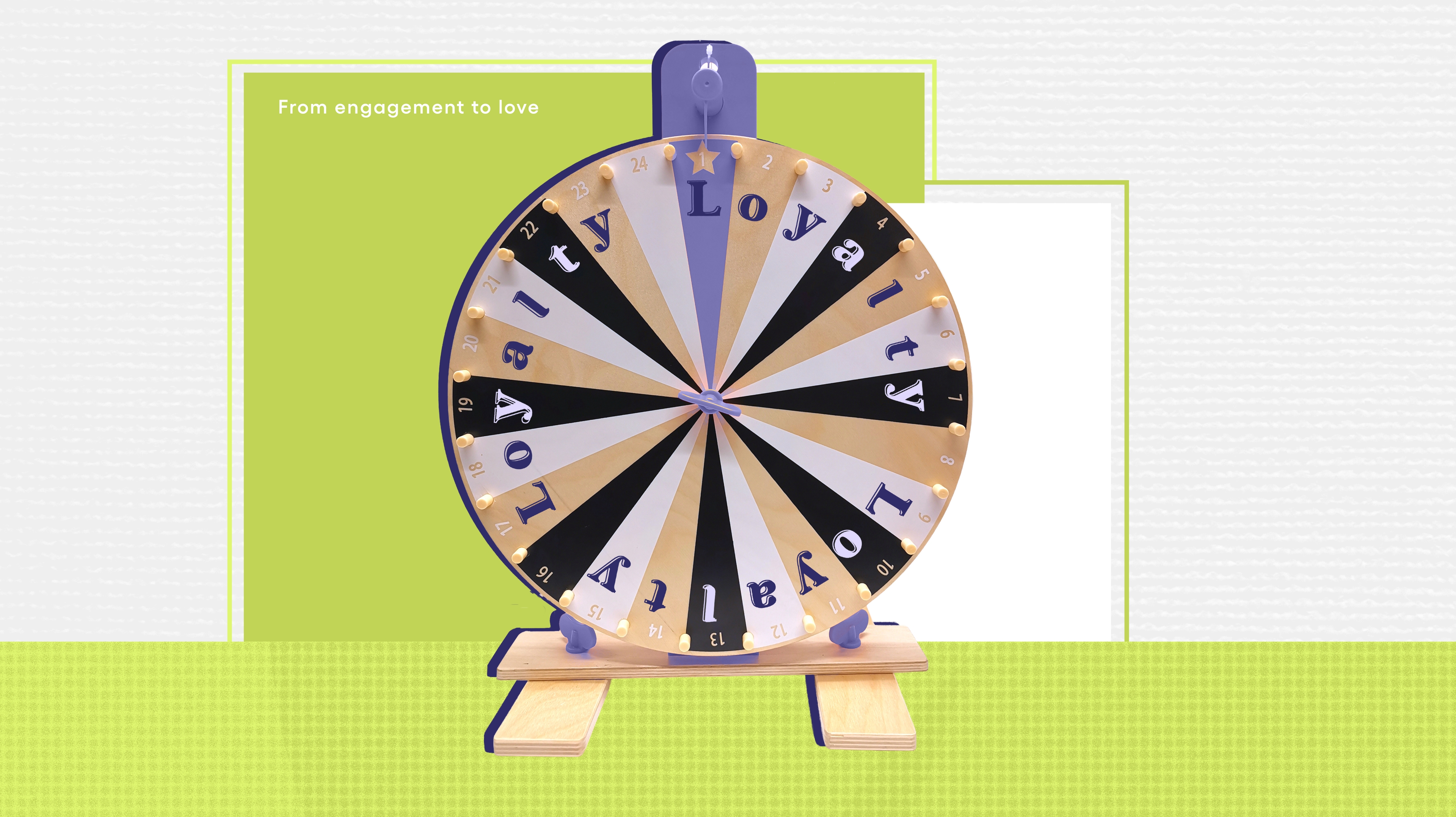
As soon as you figure it out, you can pick the right approach for gamified loyalty programs. After that, you must choose the most suitable game for a given goal. For example, surveys and quizzes will help you learn much about your customers, while prize wheels are good at re-engaging passive consumers.
The third tip is to find the right channel for loyalty program gamification. Will you do it through the mobile app, social media account, or your website? It’s a critical decision because customer engagement is about delivering the right content to the right audience using the right channel.
According to a recent survey, 26% of consumers stopped using or buying from a business over the past year. That means you can expect to lose one in four clients each year — but that’s only if you do nothing to stop it.
Gamification in loyalty programs can help you significantly reduce customer churn, and it also comes with many other benefits, such as:
Many successful businesses are already using loyalty program gamification to reap the benefits we’ve discussed so far. Some of the top loyalty gamification examples include:
Costa Coffee rewards loyal customers through its Milestones program for making purchases. In this example of gamification in loyalty programs, customers buy products to collect points. Once they’ve collected a certain number of points, they reach a “Milestone” that rewards them with prizes, such as a discount or a free coffee.
By using loyalty gamification, Costa Coffee can keep its customers engaged and build a solid base of loyal customers.
KFC introduced its Rewards Arcade to improve its traditional loyalty program. The fast food chain created a loyalty gamification app that lets customers play a branded minigame for the chance to win free menu items.
By keeping customers in the dark about what they will win, the app adds excitement to their dining experience, increasing customer engagement and interest in the KFC loyalty program. Aside from the benefits for customers, KFC Rewards Arcade also allows KFC to collect valuable customer data.
This gamified loyalty program also promotes social interaction, as families and friends can play together and enjoy winning prizes. This makes customers associate the KFC brand with fun and excitement.
Gamification transforms loyalty programs into engaging experiences built on rewards, competition, and progress. When aligned to clear business goals and delivered through the right channel, it can strengthen retention, reduce churn, and deepen customer relationships.
For more insights, contact us to Request a Demo

Writers in the Optimove Team include marketing, R&D, product, data science, customer success, and technology experts who were instrumental in the creation of Positionless Marketing, a movement enabling marketers to do anything, and be everything.
Optimove’s leaders’ diverse expertise and real-world experience provide expert commentary and insight into proven and leading-edge marketing practices and trends.