
Unified Growth Solution
World-class tech needs world-class drivers. AI platform and expert services, unified
Read time 4 minutes


Get the Report: AI and the Future of the Retail Marketer
Discover how AI is accelerating Positionless Marketing
Why it matters:
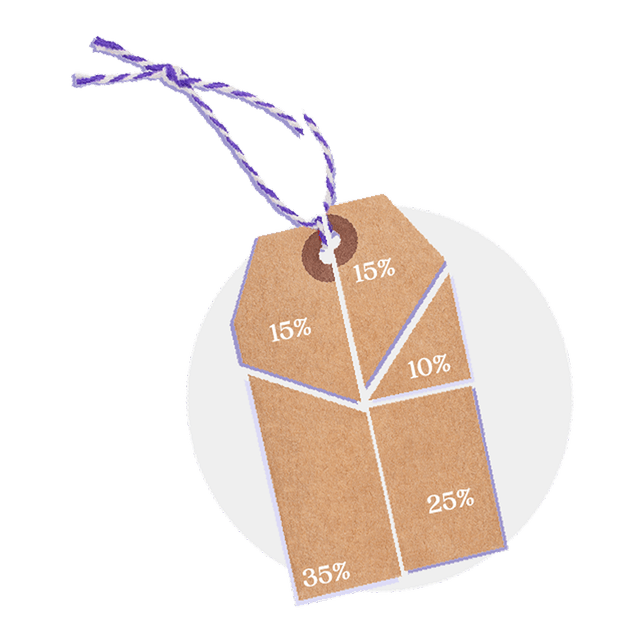
This week's stories explore where brand equity actually gets built, and the answer stretches across the full customer experience, not just paid campaigns. One story puts a hard number on something many marketers have suspected for years: paid media accounts for a small fraction of what makes a brand valuable, while the lived experience of using it accounts for most of it. The other shows two of the largest retailers in the country acting on exactly that logic, pouring earnings-call attention into delivery speed, in-stock rates, and store associates rather than campaign spend. Together, they raise a pointed question for any marketing leader building next year's budget: how much of it is going toward the 71%, and how much toward the 28%?

Key takeaways:
Kristen Doerer, CX Dive, 8/25/2026
A new report from JKR and Kantar puts precise numbers on an idea that's often treated as a platitude. Seventy-one percent of brand equity comes from customers' direct and indirect experiences with a company, while paid media and paid touchpoints account for just 28%. Brands that actively work to improve that experience are 2.5 times more likely to grow market share, and the gap compounds over time: Watermark Consulting's research separately found that companies with the best CX have outperformed the worst by nearly 8-to-1 in shareholder return.
The finding reframes what a marketing budget is actually buying. A campaign can get someone's attention, but the report's data suggests it's largely powerless to fix what happens after that attention converts into an actual interaction with the product or the service. As one branding consultant put it in the piece, the gap between how a brand markets its promise and how reliably it fulfills that promise is exactly what undermines even well-executed campaigns.
Bryan Wassel, CX Dive, 8/26/2026
Target and Walmart's latest earnings calls show what acting on that 71% actually looks like in practice. Both companies spent meaningful airtime on operational reliability rather than advertising: Walmart on faster delivery and omnichannel consistency, Target on improved in-stock rates and a shopping experience that feels the same no matter which store a customer walks into. Neither company is pulling back on brand marketing, but the emphasis on execution reflects a retail environment where brand loyalty is already thin and easily lost to a single stockout or a late delivery.
The associate piece is the more telling detail. After years of leaner staffing, both retailers are now investing in training and AI tools that free associates up to actually help customers, with Target even mandating that staff greet shoppers. That's a direct operational answer to the JKR and Kantar finding: if experience is what builds equity, then the people executing that experience in the store are doing brand-building work that a marketing campaign cannot substitute for.
The JKR and Kantar data shows where equity actually accumulates, and Target and Walmart show what it costs to act on that finding: investment in delivery, inventory, and staffing that most marketing budgets don't touch.
The leaders worth watching over the next year are the ones treating fulfillment and frontline service as brand-building line items, not just operations. That's a harder budget conversation than another campaign, but it's the one the data says actually moves market share.
Check back next week for another roundup of Media That Matters.
For more insights on Optimove and our Positionless Marketing Platform, contact us.
Better, Smarter, Faster: How AI is Transforming CDPs

Writers in the Optimove Team include marketing, R&D, product, data science, customer success, and technology experts who were instrumental in the creation of Positionless Marketing, a movement enabling marketers to do anything, and be everything.
Optimove’s leaders’ diverse expertise and real-world experience provide expert commentary and insight into proven and leading-edge marketing practices and trends.