
Unified Growth Solution
World-class tech needs world-class drivers. AI platform and expert services, unified
Read time 15 minutes


Insights:
Marketers who adopt Positionless Marketing will be positioned to meet the moment and drive long-term customer loyalty.
The Optimove Insights 2025 Consumer Holiday Retail Shopping Survey reveals a complex consumer landscape for the upcoming holiday season. Shoppers are ready to spend but are navigating rising prices, economic uncertainty, and marketing overload. For marketers, the findings point to a critical need for agility, personalization, and customercentric marketing strategies.
The 2025 holiday season demands a new level of marketing responsiveness and precision. Consumers are starting their holiday shopping earlier, demanding better deals, expecting seamless omnichannel experiences, and quickly disengaging when marketing feels irrelevant or excessive.
For brands, this underscores the need for Positionless Marketing. Traditional marketing roles and handoffs slow down the process at a time when speed and relevance are key. With Optimove’s Positionless Marketing approach, any marketer can independently:
This level of independence enables marketers to respond instantly to shifting consumer behaviors—whether it’s pushing an early offer, personalizing a message based on lifestyle data, or scaling communications up or down to avoid fatigue.
The bottom line: brands that empower marketers to act instantly and autonomously will be best positioned to capture consumer attention and loyalty in Holiday 2025.
The 2025 holiday season will reward brands that embrace Positionless Marketing and give marketers the freedom to act in real time. Consumer demands are shifting fast, and only brands that can deliver early, personalized, and customer-centric experiences—without operational bottlenecks—will thrive in this competitive landscape.
The Optimove Insights 2025 Consumer Holiday Retail Shopping Report is based on a survey of retail shopping intentions conducted in July 2025, querying 345 U.S. citizens aged 21-plus with annual household incomes of $75,000 or more.
As the 2025 holiday season approaches, consumers are entering the retail period with cautious optimism. According to Optimove’s 2025 Consumer Holiday Retail Shopping Survey, shoppers are showing a strong intent to spend. However, ongoing concerns about inflation, tariffs, and economic stability continue to influence their behavior and decisionmaking. This section outlines the key findings and what they mean for brands preparing for the holiday rush.
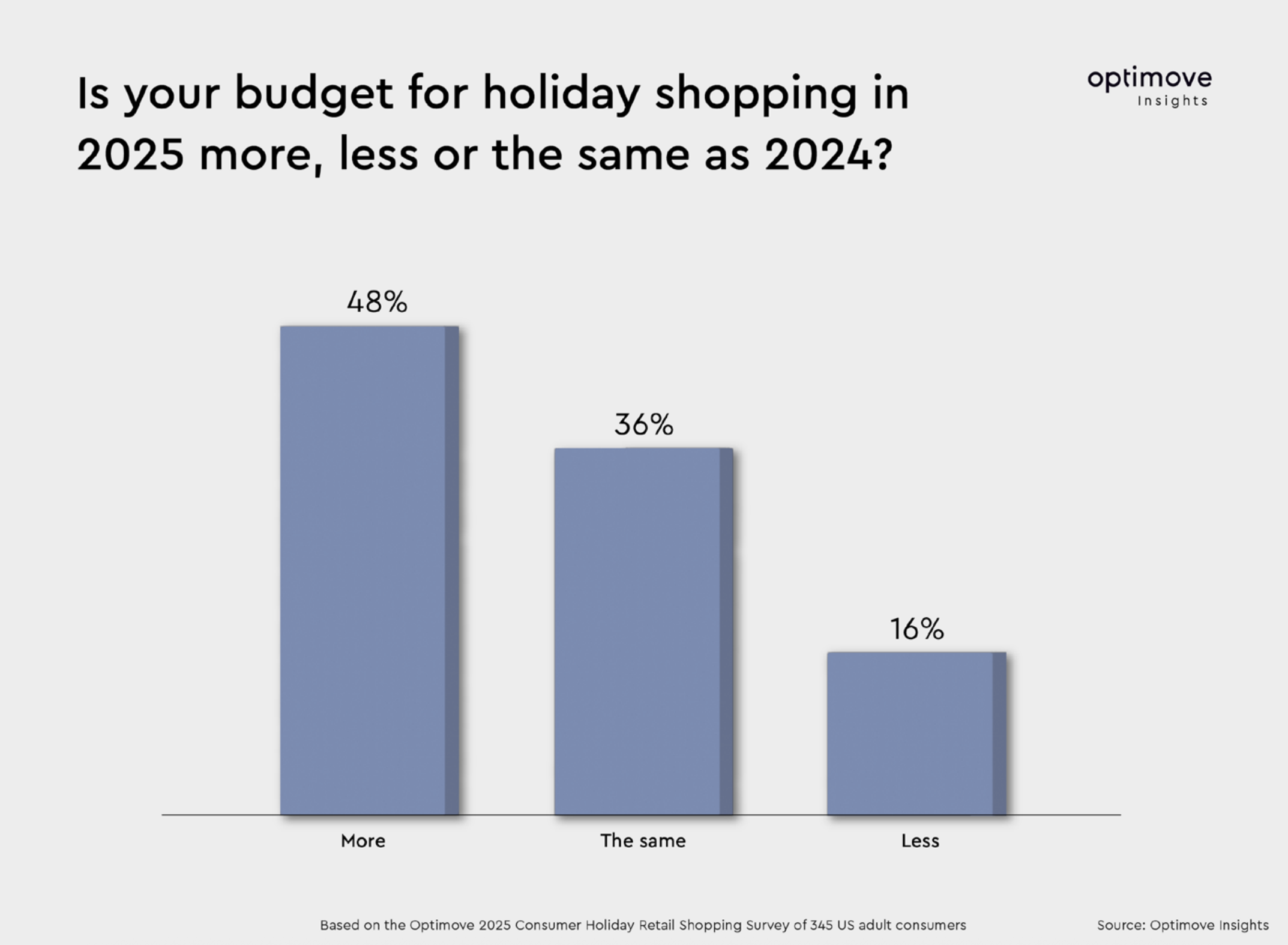
Nearly half of consumers, forty-eight percent (48%), say they plan to increase their holiday shopping budget in 2025 compared to 2024. More than one-third plan to spend about the same, and only 16% say they will spend less. This reflects a resilient consumer base that is still willing to shop, even in the face of external pressures.
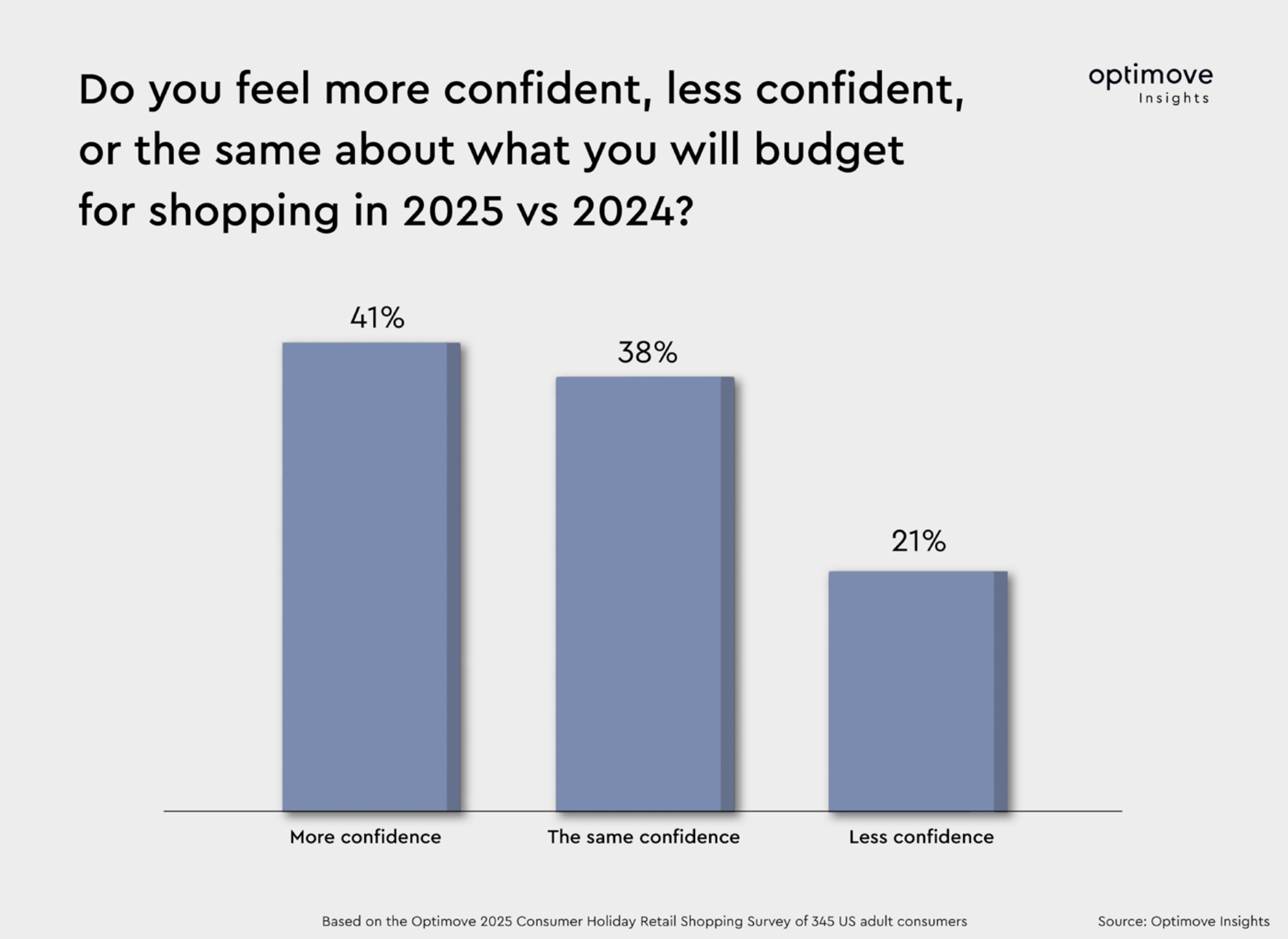
Shoppers appear more confident in their financial plans. Seventy-nine percent (79%) say they have as much or more confidence in their holiday budgets this year. In fact, forty-one percent (41%) feel more confident than they did last year. This confidence likely contributes to the increased spending plans and signals a potential opportunity for retailers to encourage early purchasing.
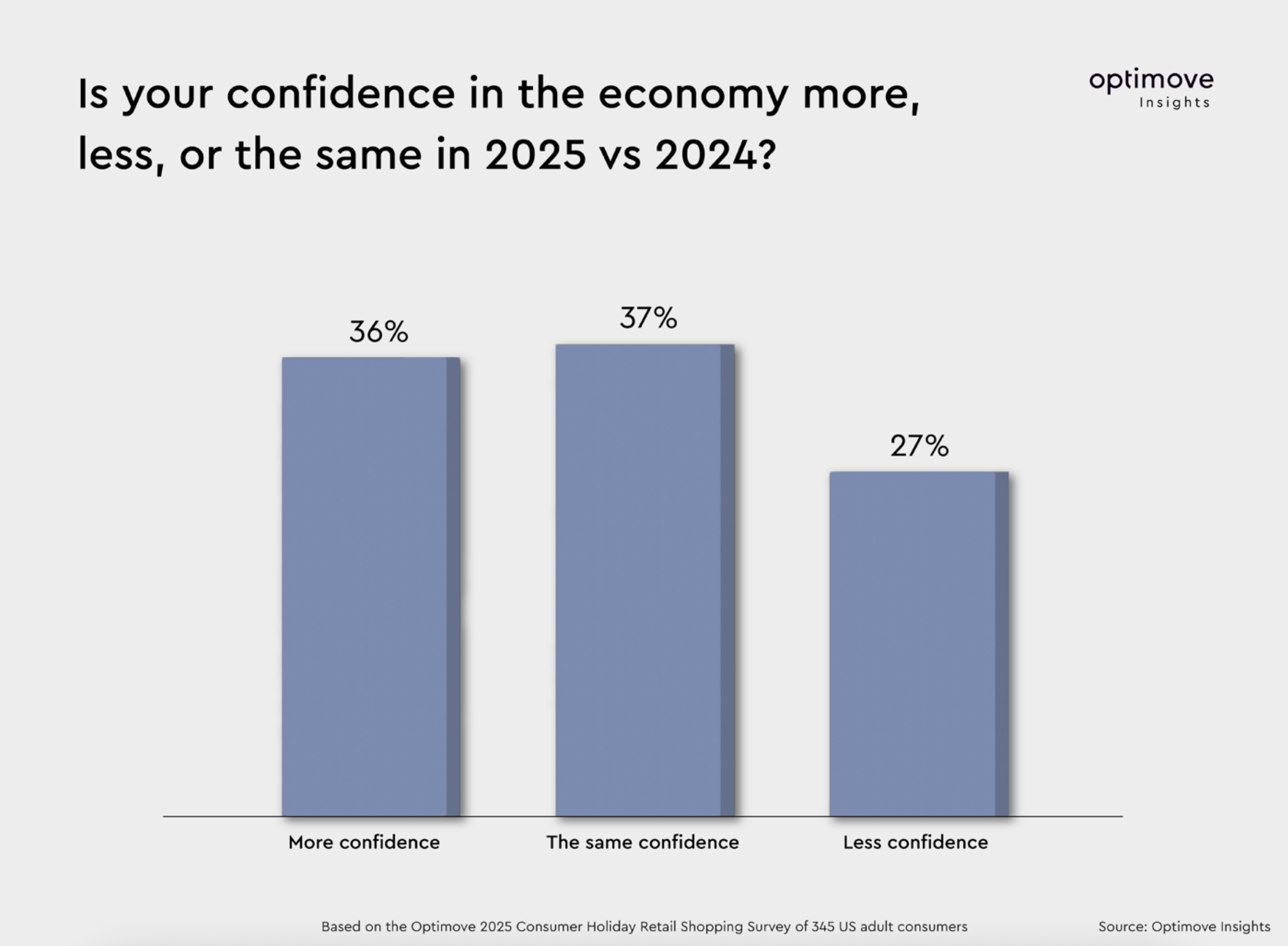
While 73% of consumers feel at least as confident in the economy as they did in 2024, twenty-seven percent (27%) report having less confidence. This split view reflects broader economic uncertainty, especially as households continue to adjust to price fluctuations and the lingering effects of economic shifts over the past few years.
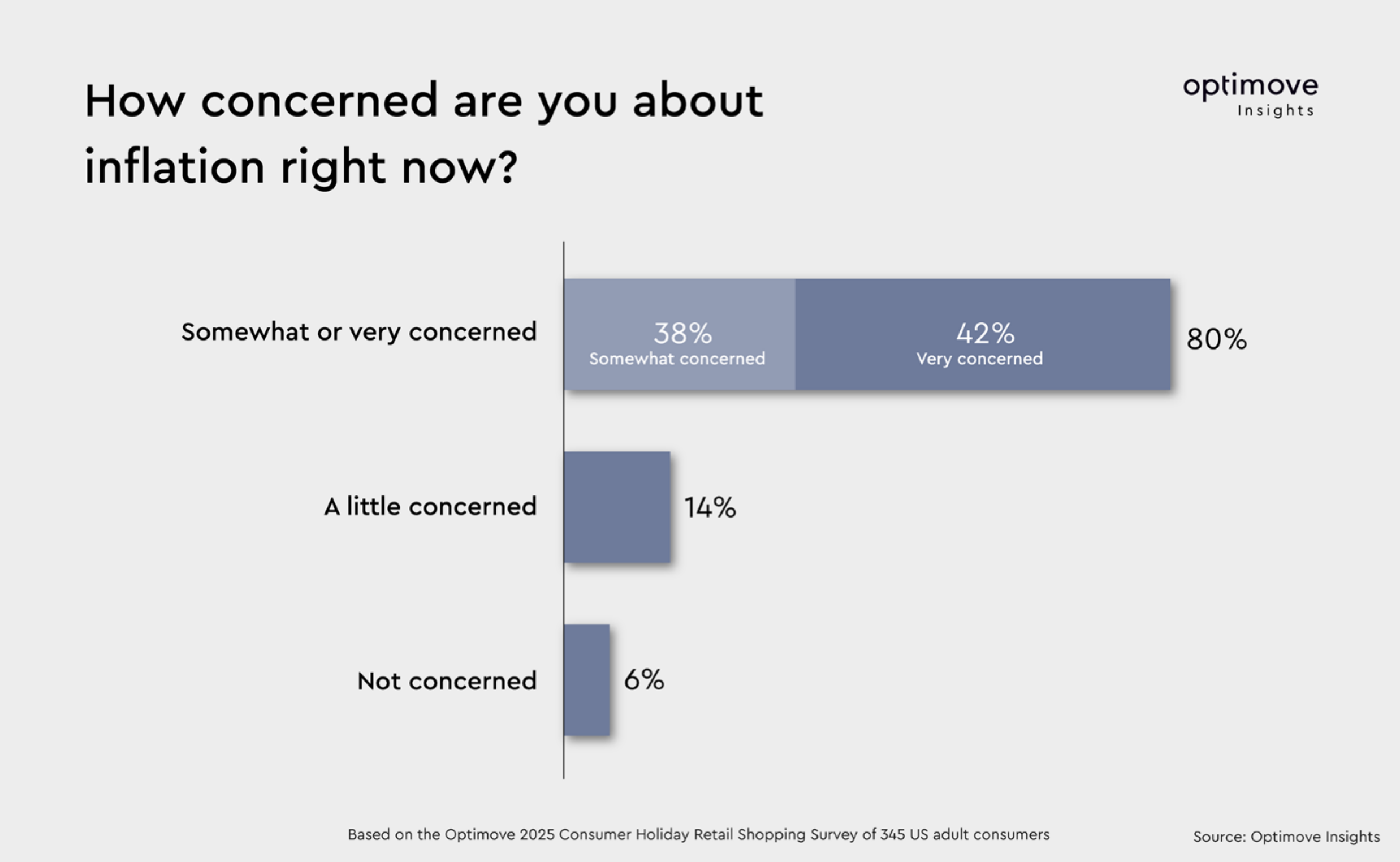
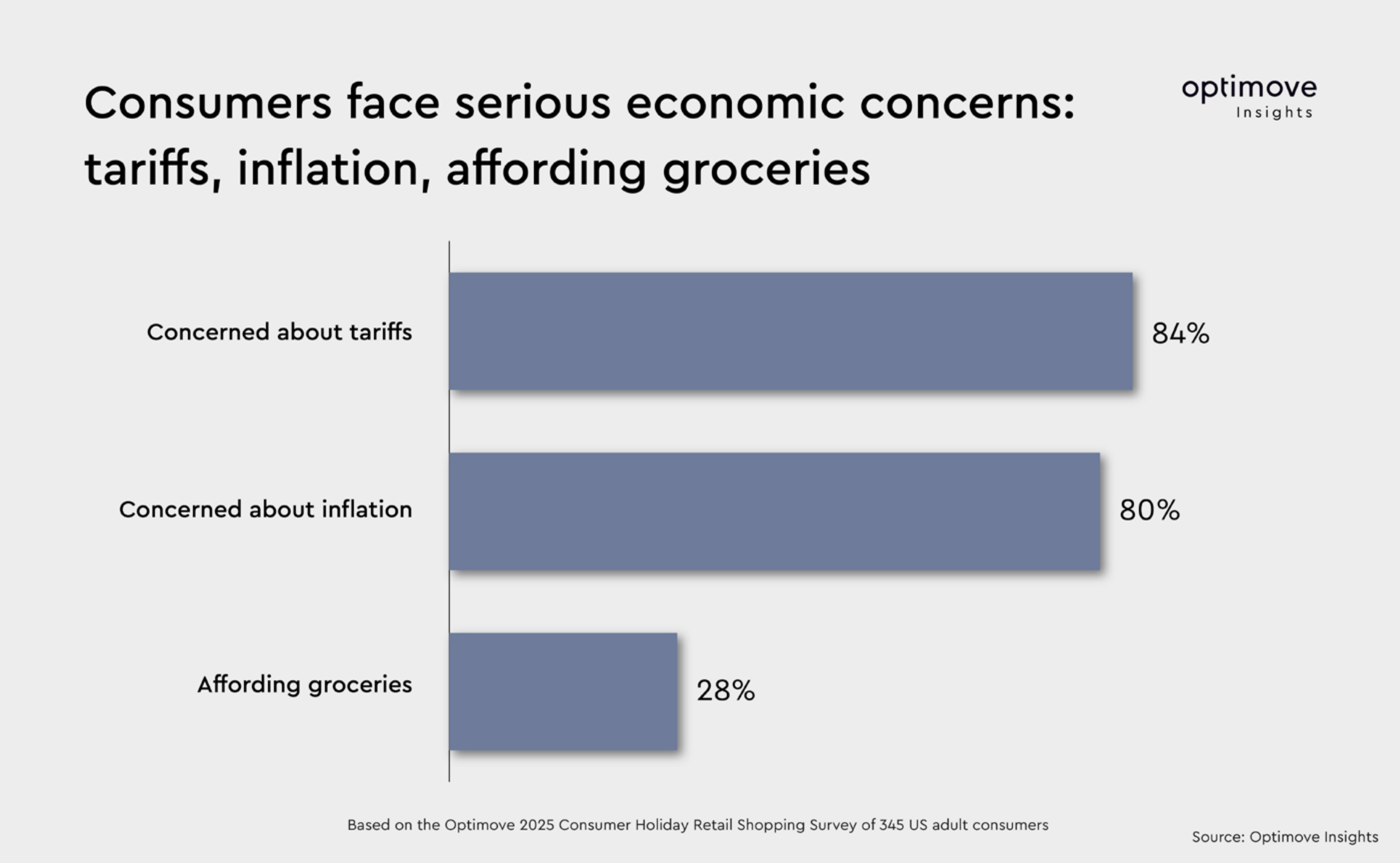
Concern Eighty percent (80%) of consumers report being at least somewhat concerned about inflation. Among them, forty-two percent (42%) say they are very concerned. Only 6% of respondents say they are not concerned at all. These numbers suggest that price sensitivity will play a significant role in how consumers choose where and how to shop this holiday season.
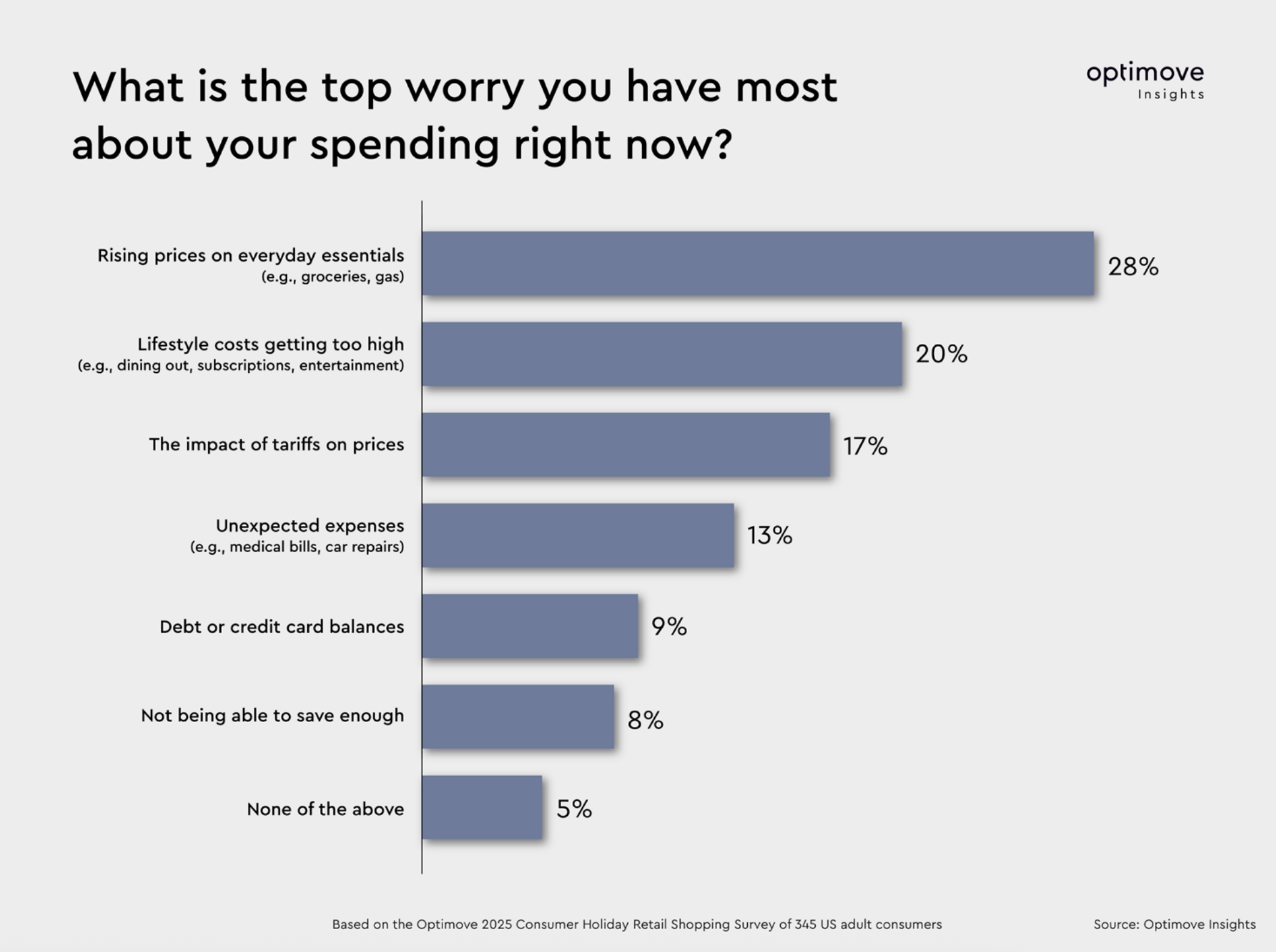
When asked about their top concerns related to spending, consumers highlighted two main areas:
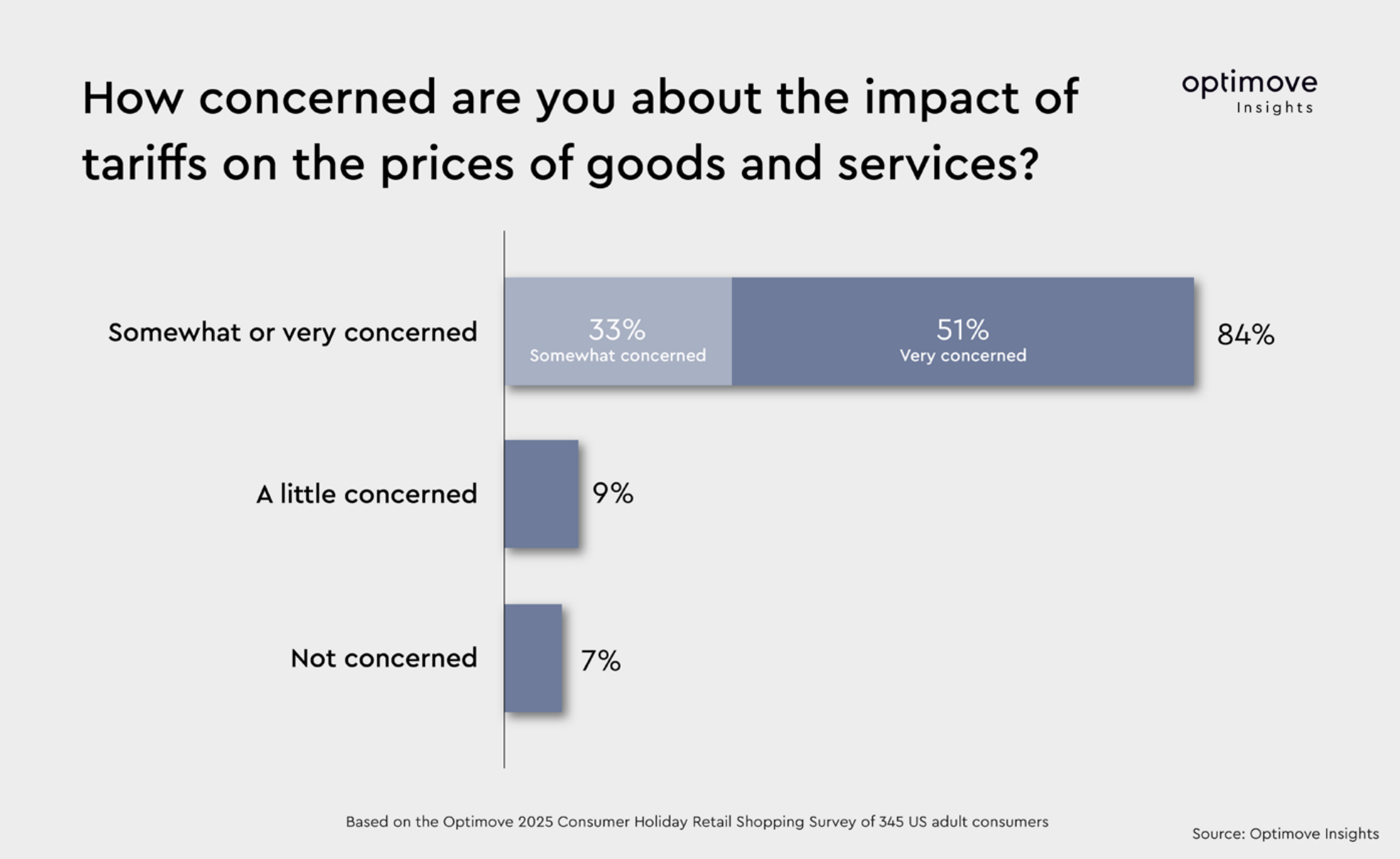
The impact of tariffs is also on consumers’ minds. Eighty-four percent (84%) of respondents are at least somewhat concerned about how tariffs could affect prices, with more than half, fifty-one percent (51%), saying they are very concerned. This level of anxiety suggests that pricing clarity and transparency will be important for retailers throughout the season.
The 2025 holiday season is expected to be active, but brands must navigate a consumer landscape shaped by both confidence and significant concern. Shoppers are ready to spend and feel prepared to manage their budgets, but they are watching prices closely and reacting to economic signals. Retailers that offer value, empathy, and flexibility will be best positioned to succeed during this critical time of year.
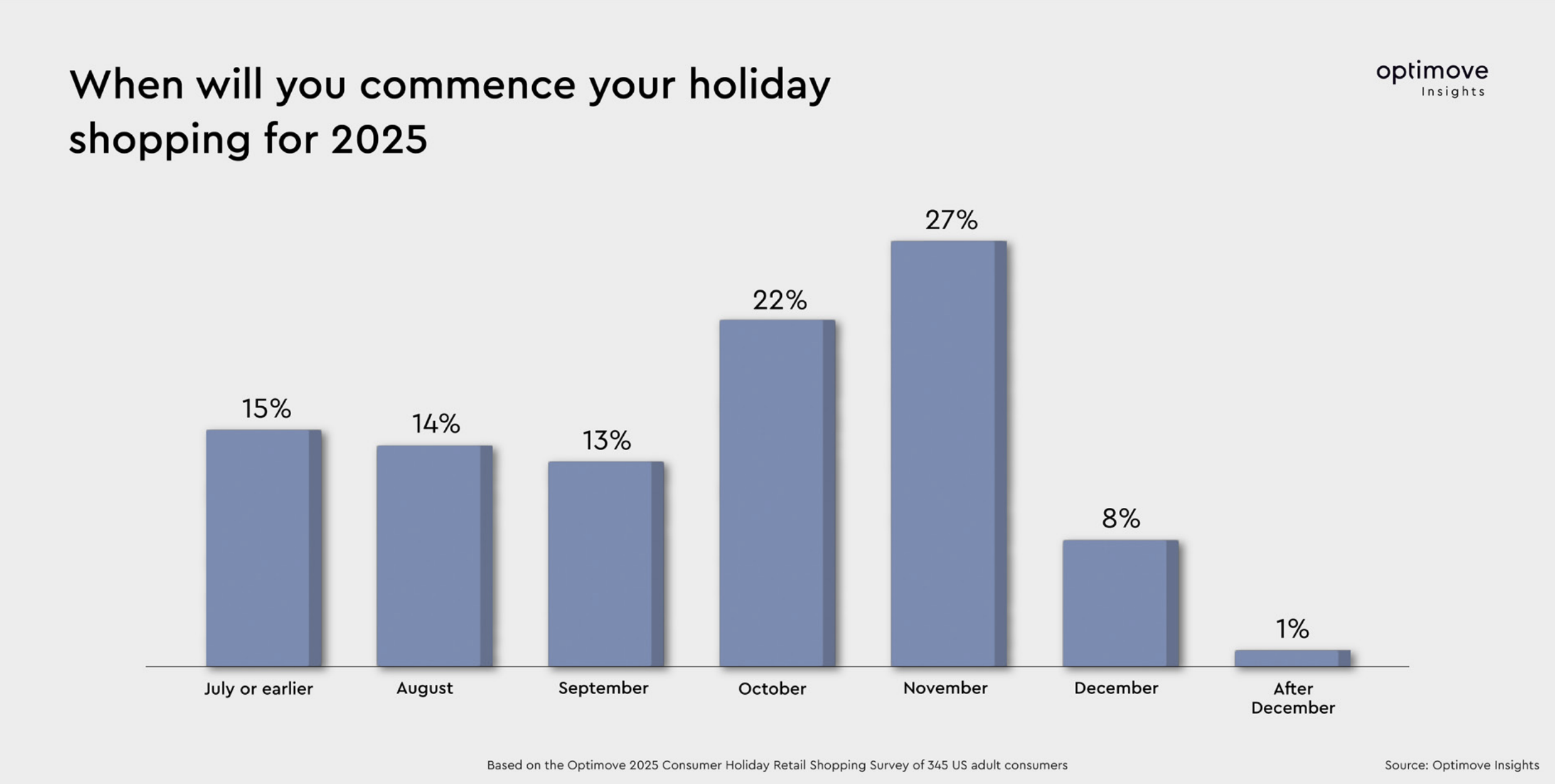
Consumers are planning to start their holiday shopping early in 2025, with 64% starting before Halloween. Nearly half (49%) will begin shopping in October (22%) or November (27%), making these the peak months for holiday deal-seeking behavior.
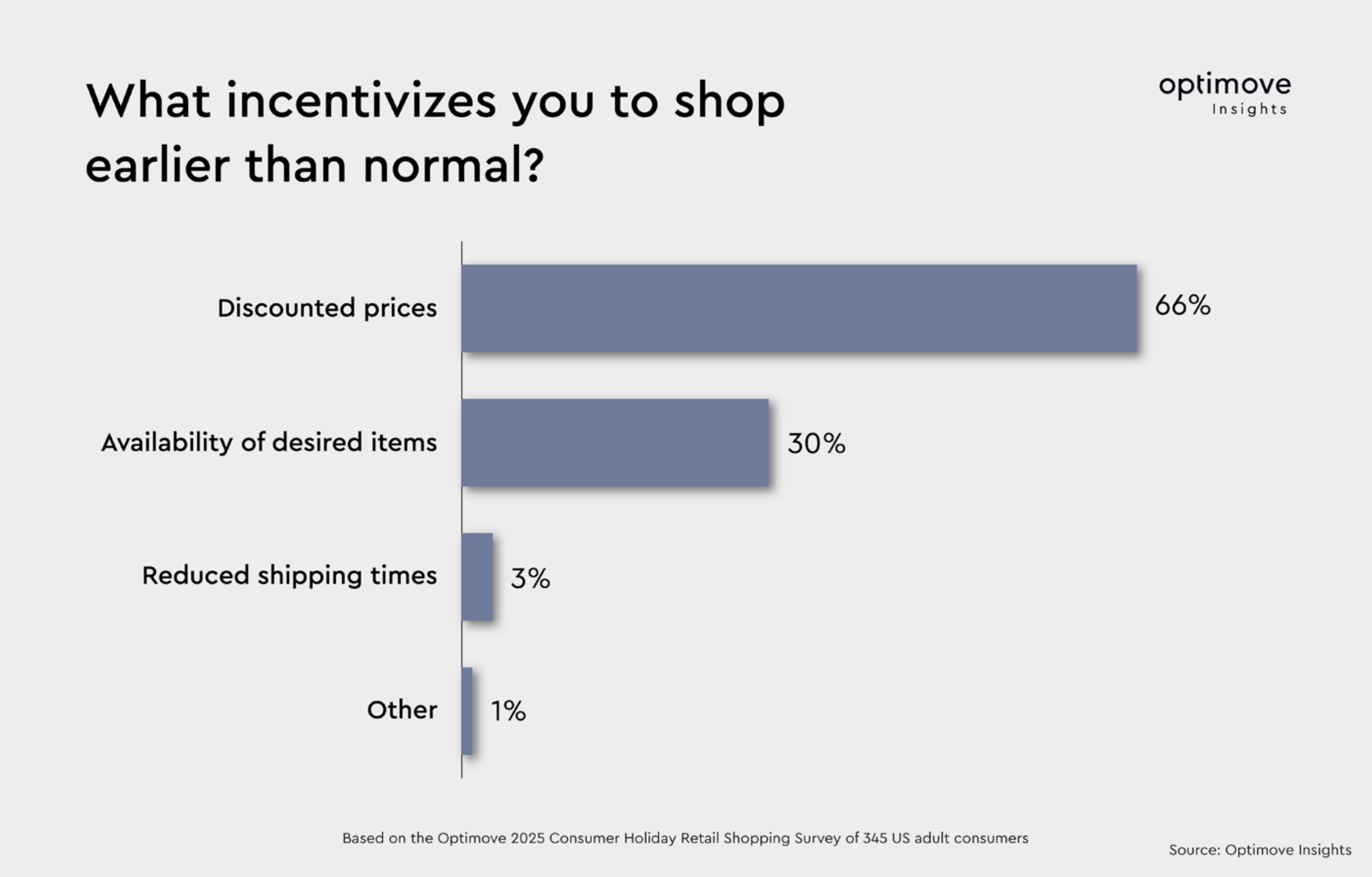
Discounted prices are the top driver of early shopping, motivating 66% of respondents to shop sooner rather than later. The availability of items, cited by 30% of respondents, is also a key factor pushing consumers to make purchases before peak season sellouts.
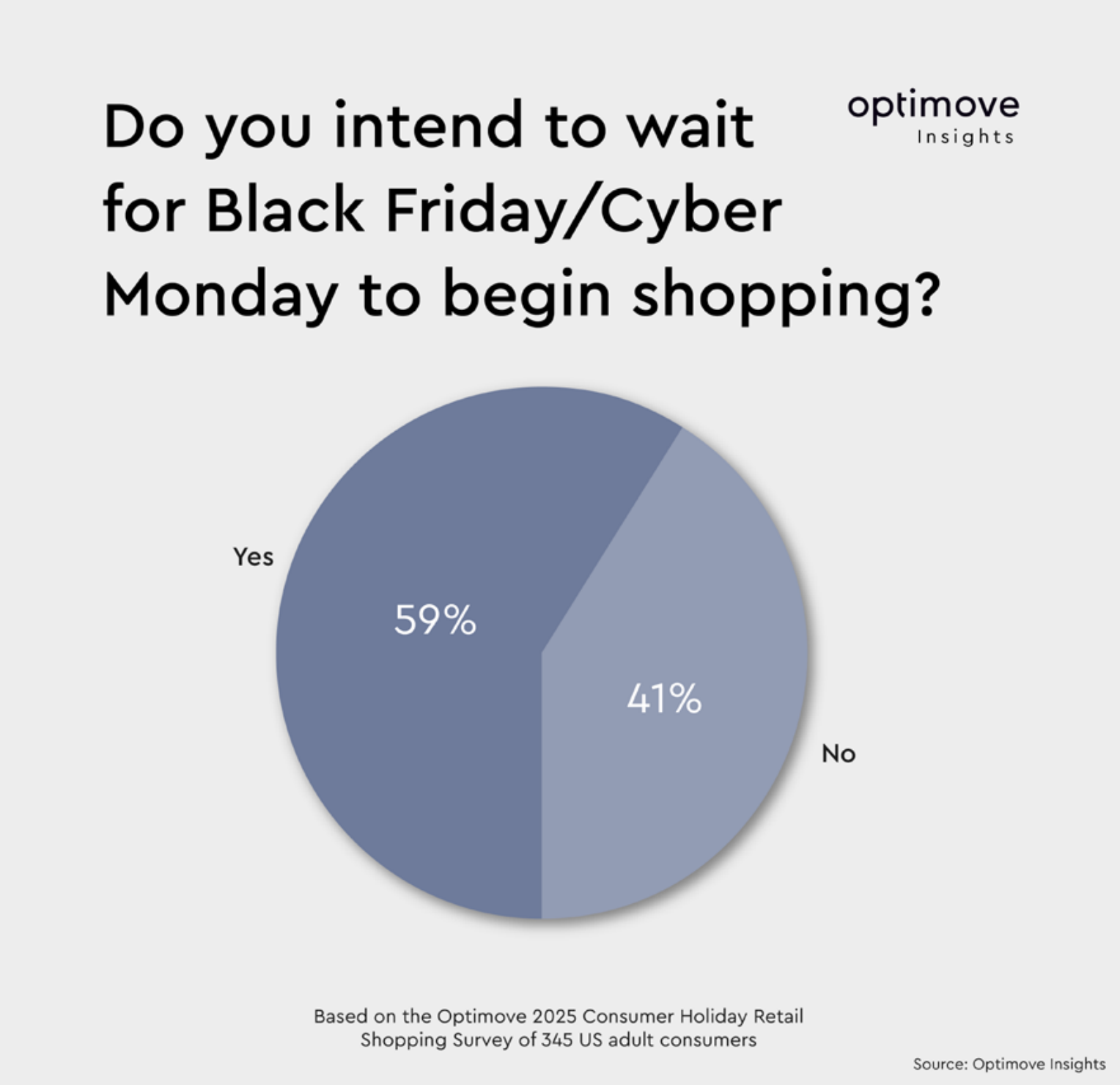
Despite starting early, fifty-nine percent (59%) of shoppers still wait for Black Friday or Cyber Monday to make major purchases. This indicates that while consumers are browsing early, many hold out for perceived “best deal” days.
Omnichannel is important and online dominates as 84% will do some shopping online. When it comes to shopping channels, consumers prefer a mix of in-store and online experiences:
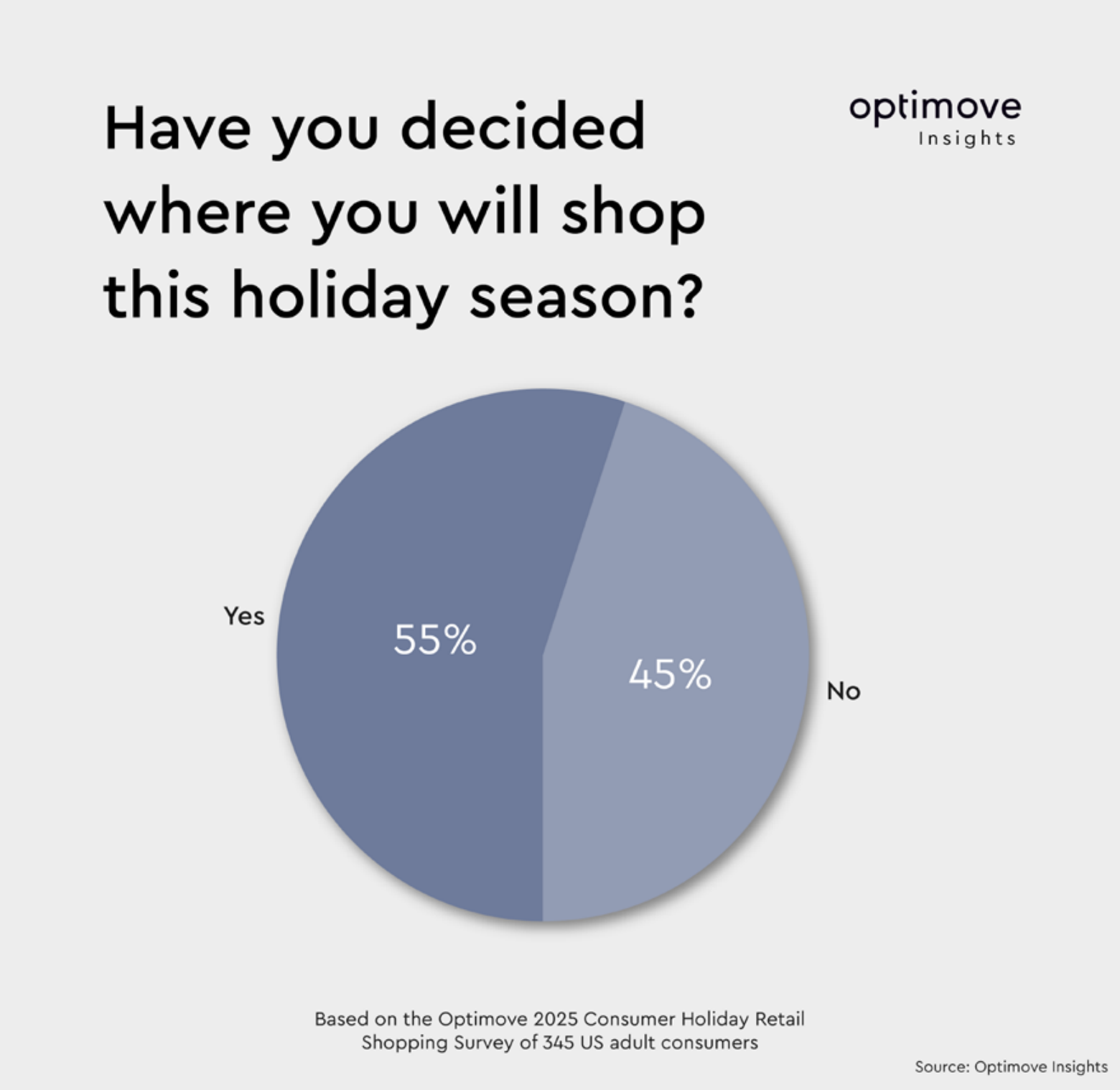
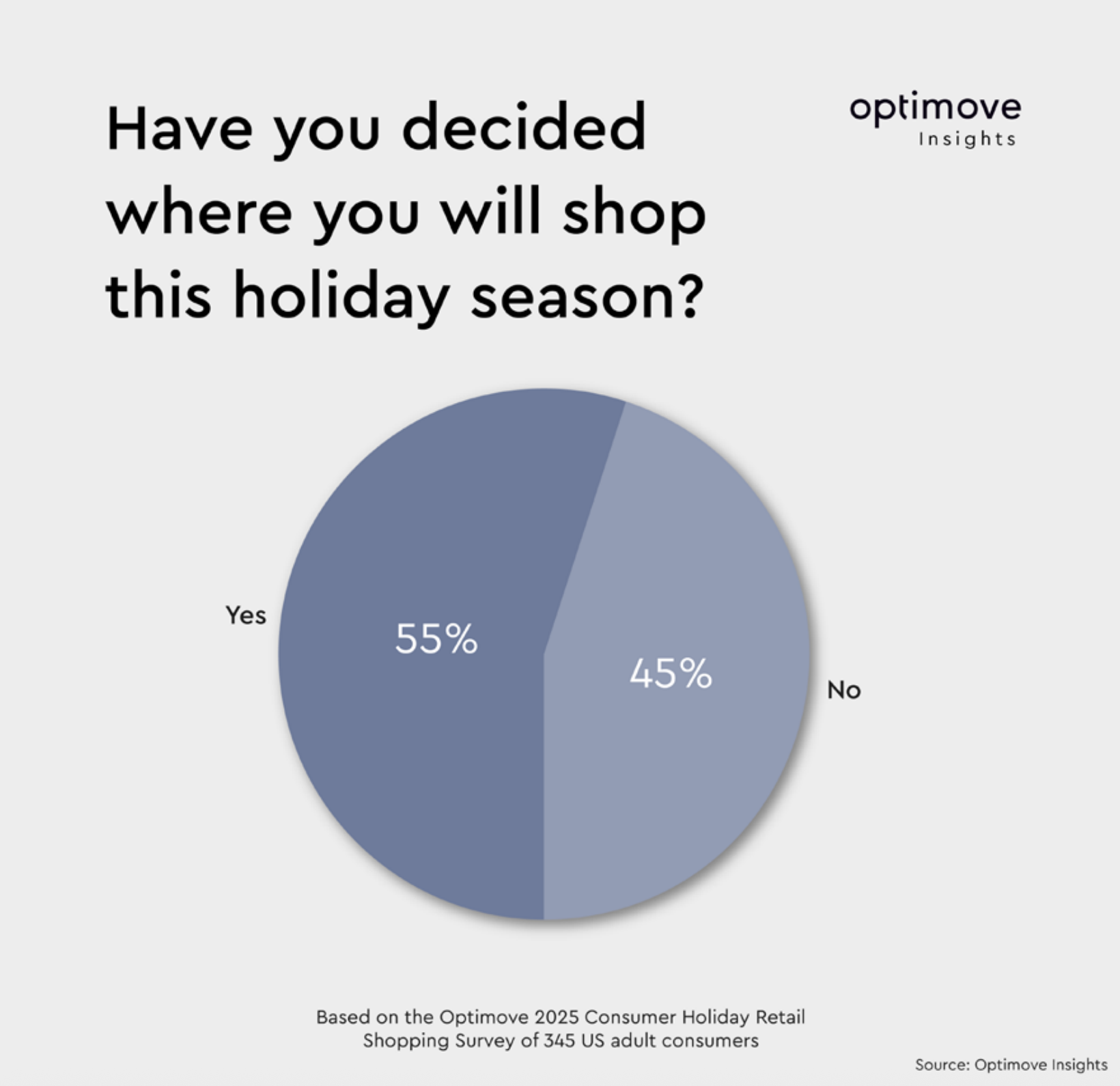
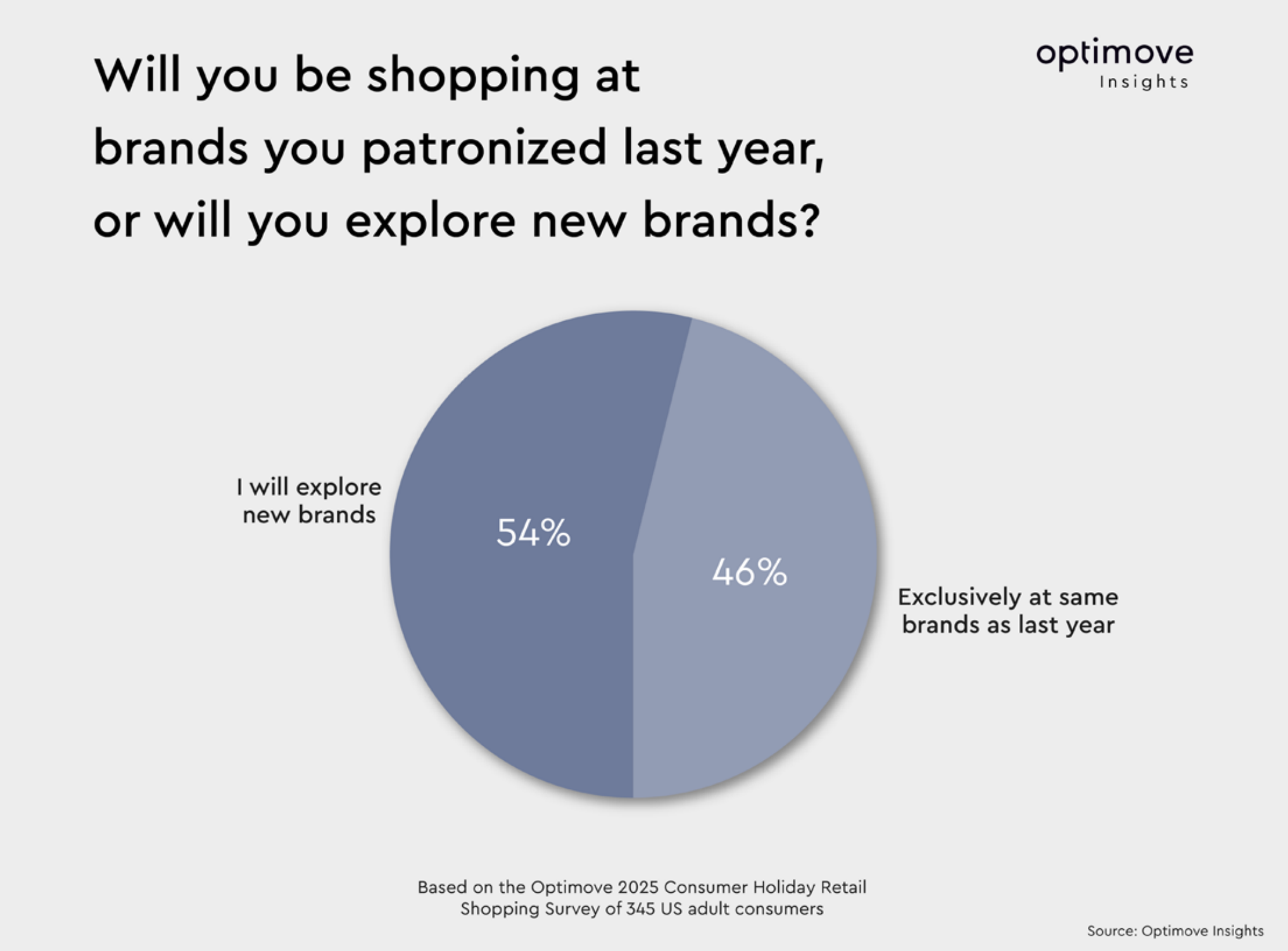
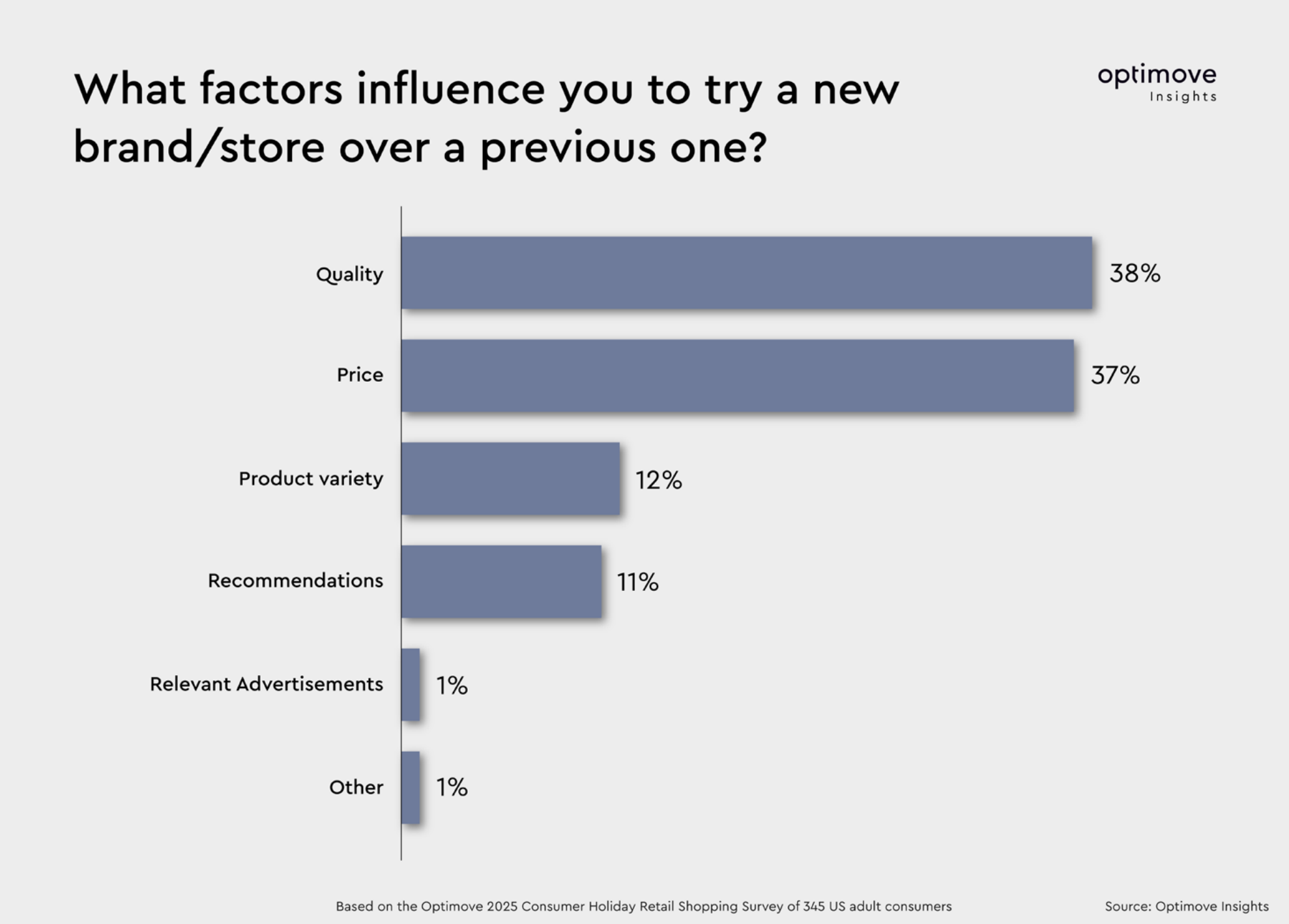
Brand loyalty is in flux this year. Fifty-five percent (55%) of shoppers already know where they plan to shop, but 54% are open to trying new brands, while 46% plan to stick with the brands they used last year. The primary reasons for switching include product quality (38%) and price (37%).
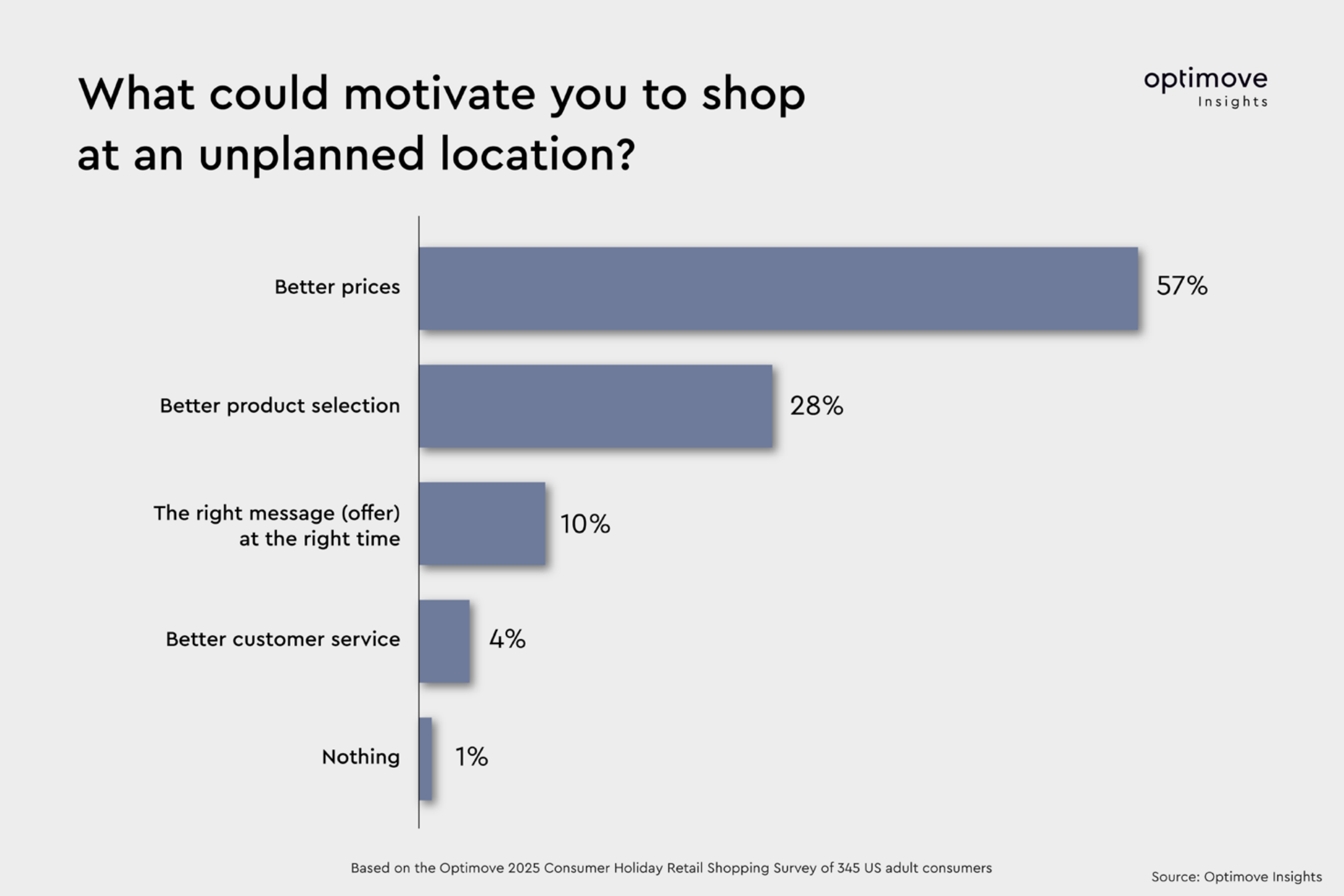
When consumers do shop at an unplanned store, fifty-seven percent (57%) say it’s because of better prices, while 28% cite better product selection as the reason for making the switch.
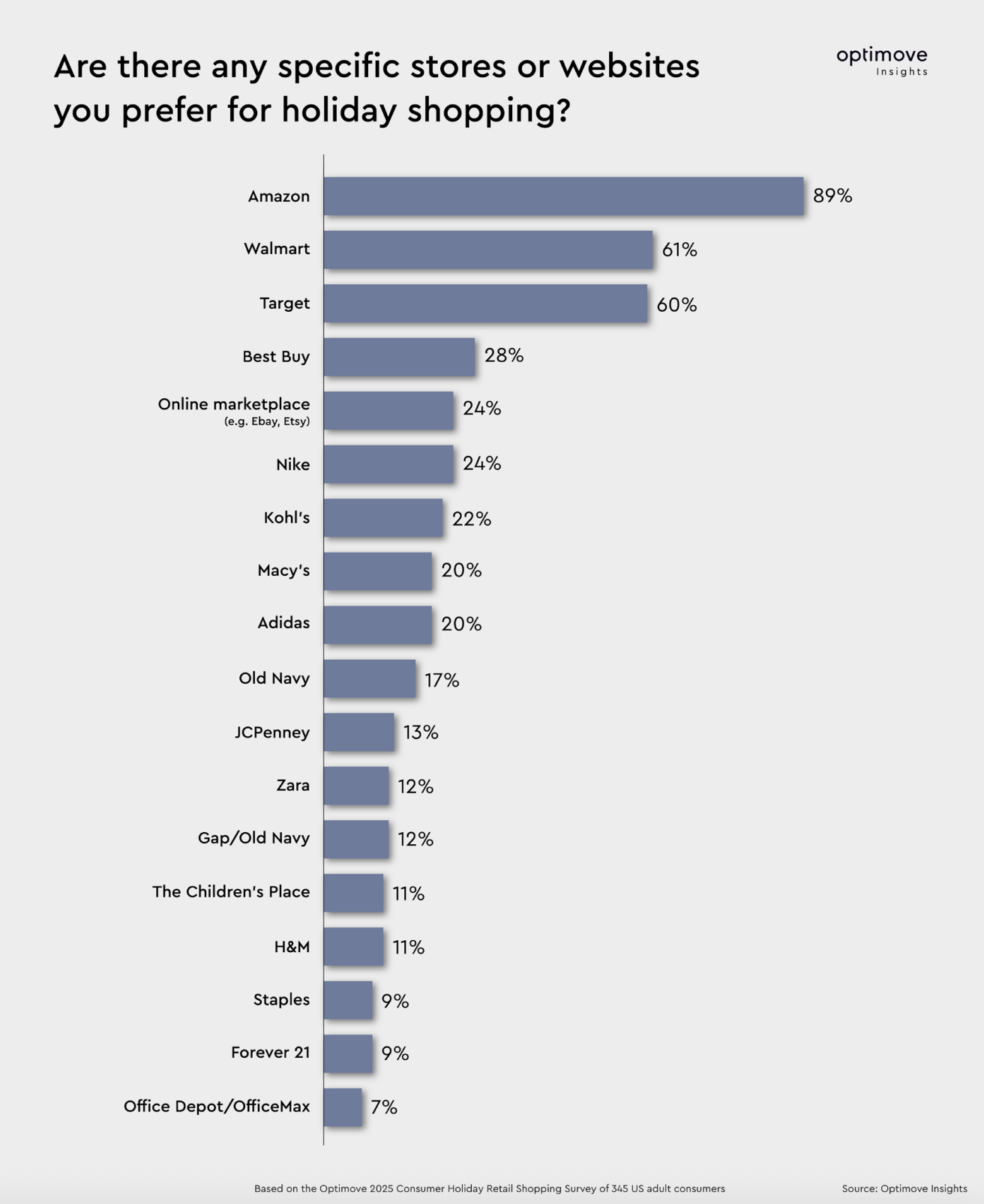
Amazon remains the top shopping destination, selected by 89% of respondents, followed by Walmart (61%) and Target (60%). These brands are seen as reliable for price, availability, and convenience.
Consumers are signaling a clear desire for early, relevant, and personalized communication from retailers this holiday season. The majority want to be engaged early in the shopping cycle but are also sensitive to marketing fatigue.
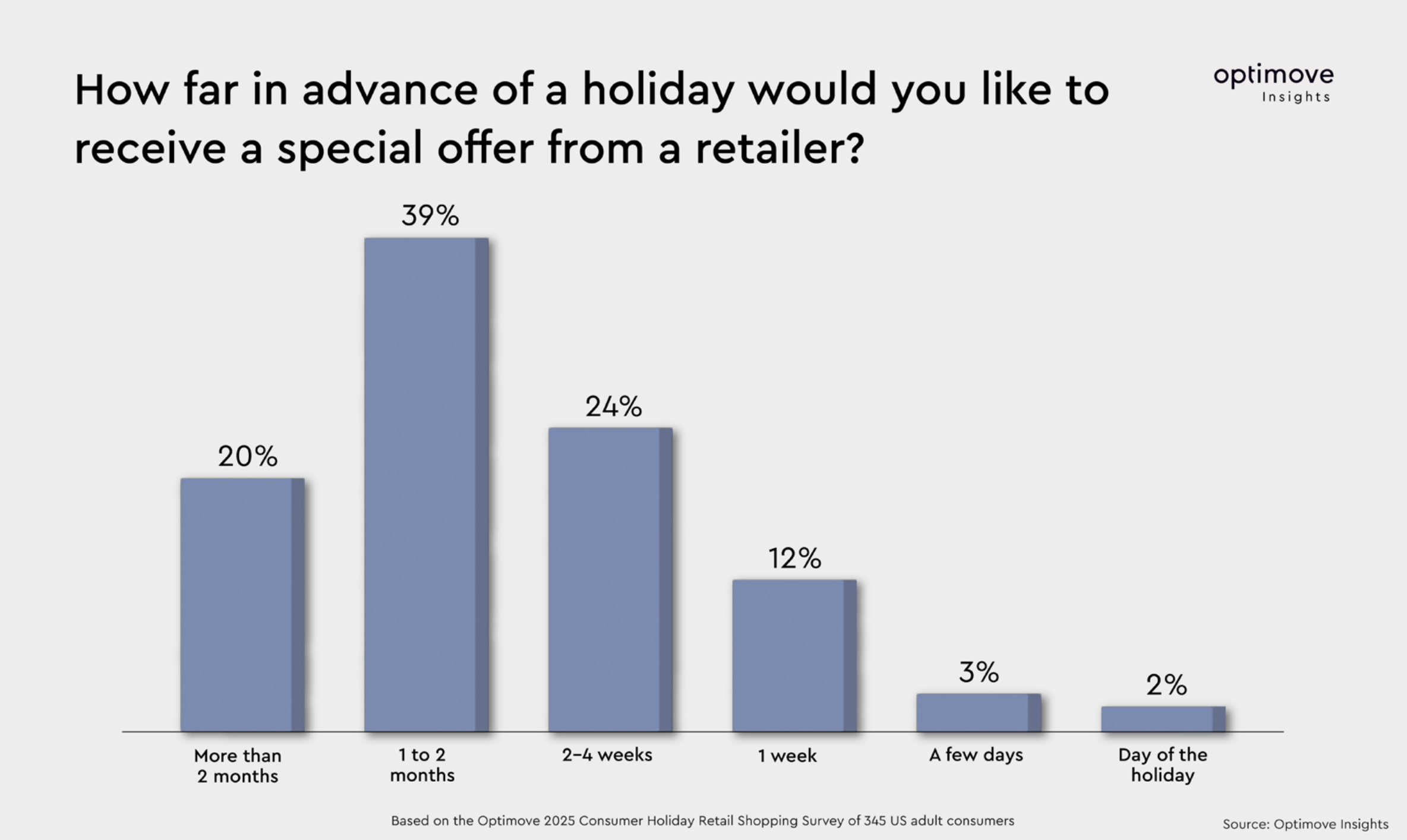
Eighty-eight percent (88%) of consumers prefer to receive holiday offers early from their favorite retailers. This preference aligns with the broader trend of early shopping, as most consumers begin browsing and purchasing well before December.
Fifty-nine percent (59%) of shoppers want to receive special offers from retailers more than a month in advance. Another 24% prefer to get offers at least two weeks ahead of time. These findings highlight the importance of starting promotional outreach early in the season to capture consumer attention before the rush.
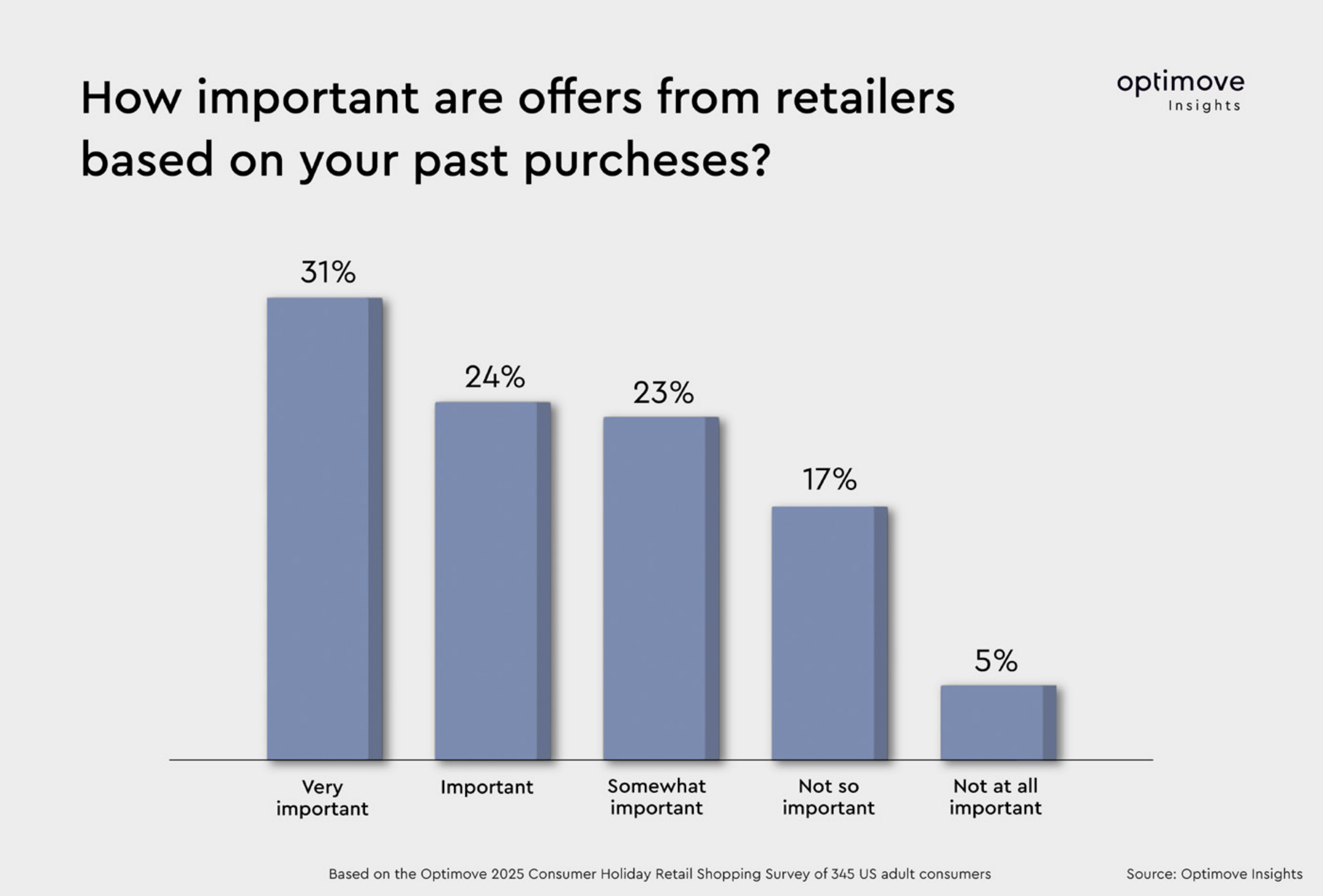
Fifty-five percent (55%) of respondents said that receiving offers based on past purchases is important, and 31% consider it very important. This points to the increasing expectation for brands to use purchase history and preferences to tailor offers.
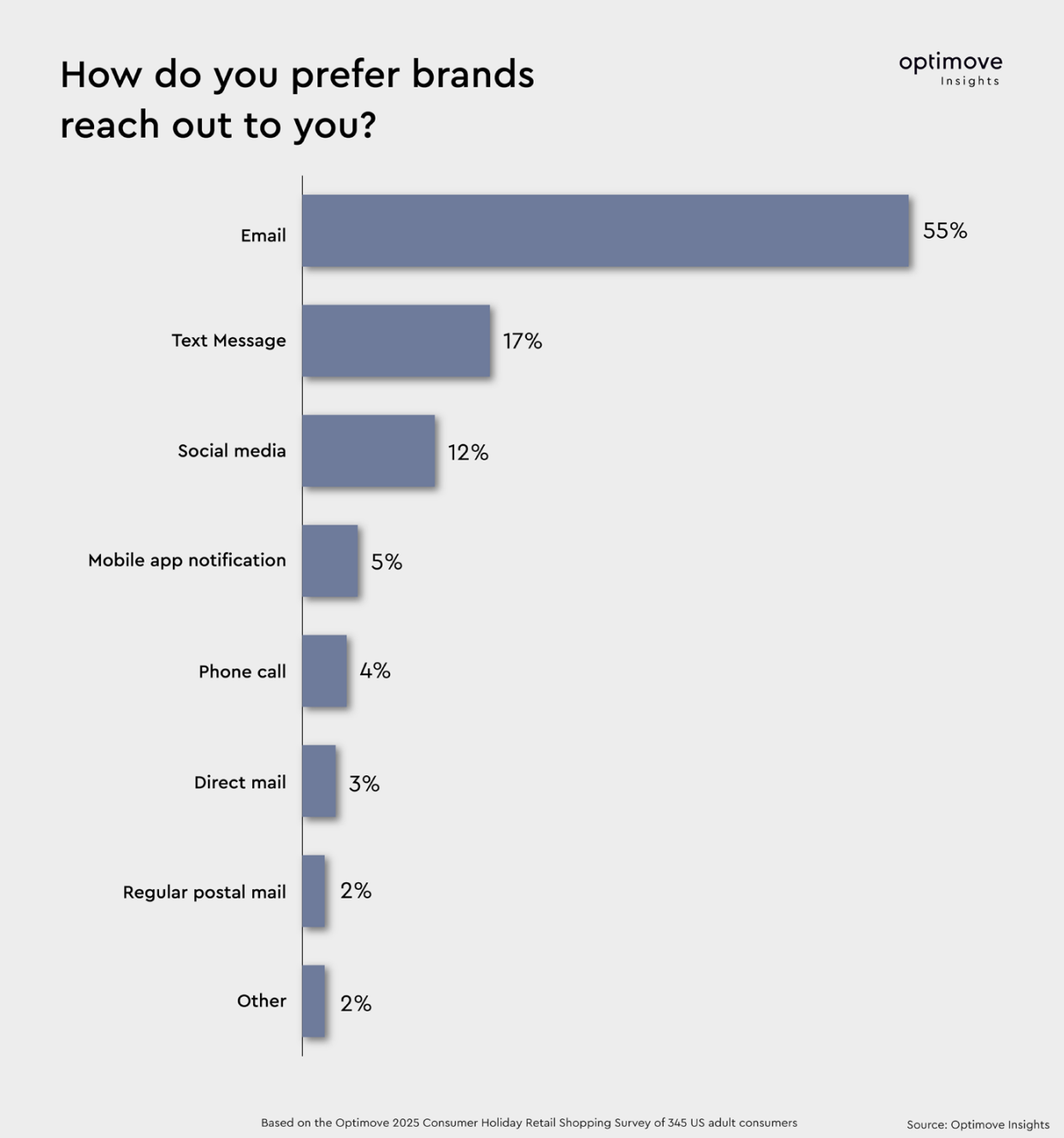
Email remains the top communication channel, with 55% of consumers choosing it as their preferred way to hear from retailers. Text messages are the next most popular option at 17%.
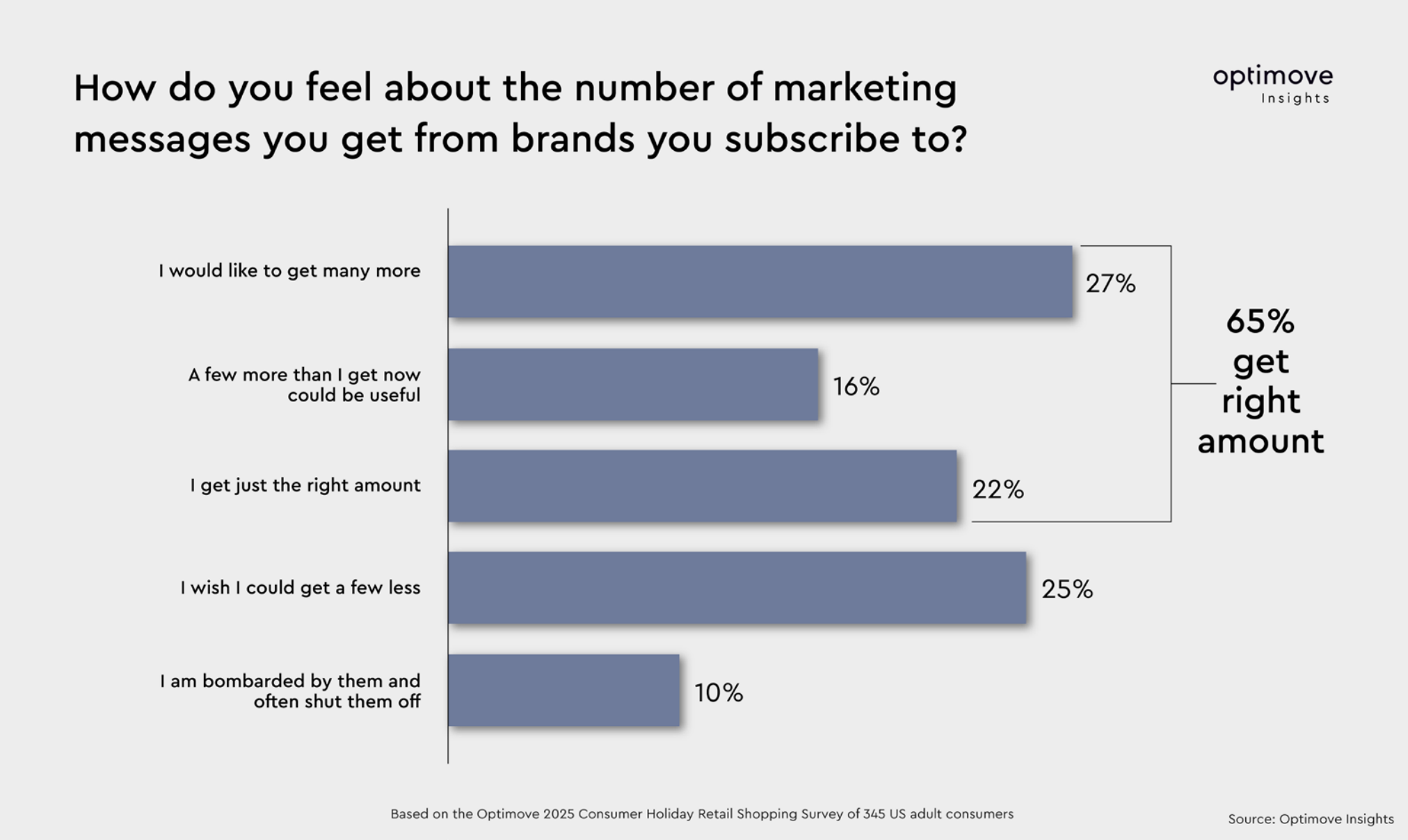
Despite this preference, there are warning signs of marketing fatigue. Sixty-five percent (65%) of consumers say they currently receive the right amount of marketing communication. However, 35% would prefer fewer messages, and 10% feel bombarded. This suggests that retailers risk alienating more than one-third of their audience if they oversaturate communication channels.
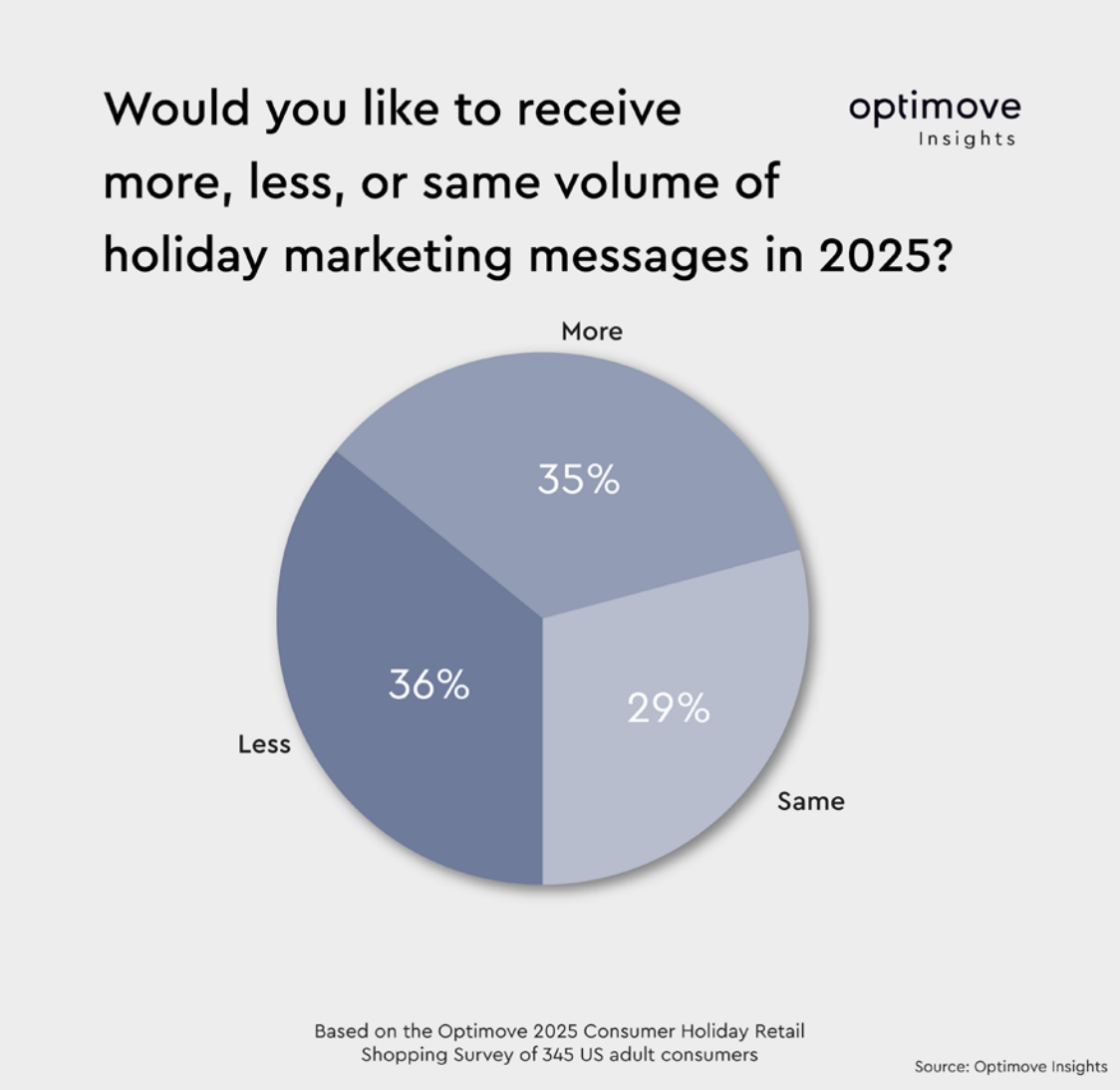
This concern is reinforced by 36% of respondents who explicitly said they want to receive fewer marketing messages.
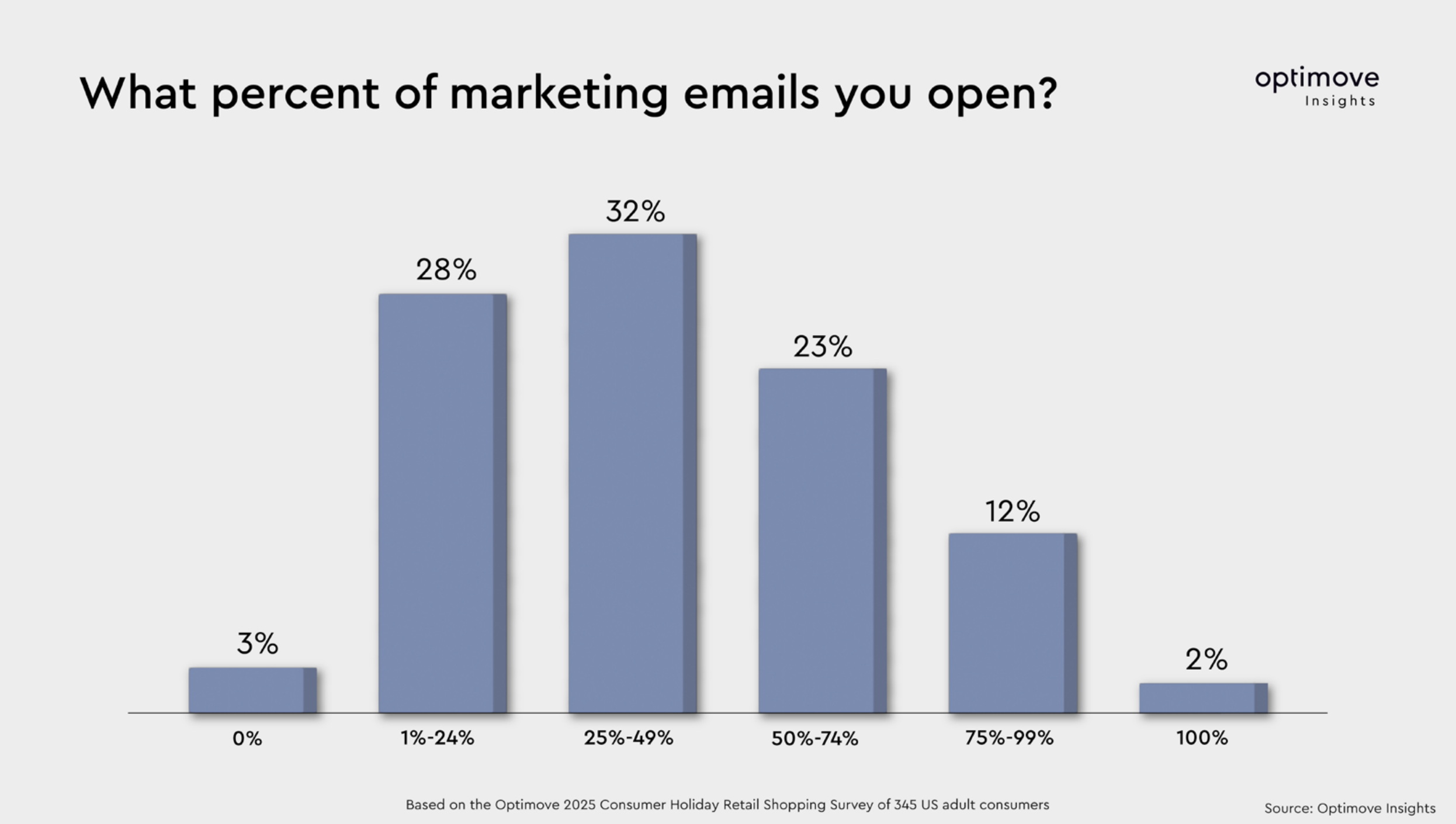
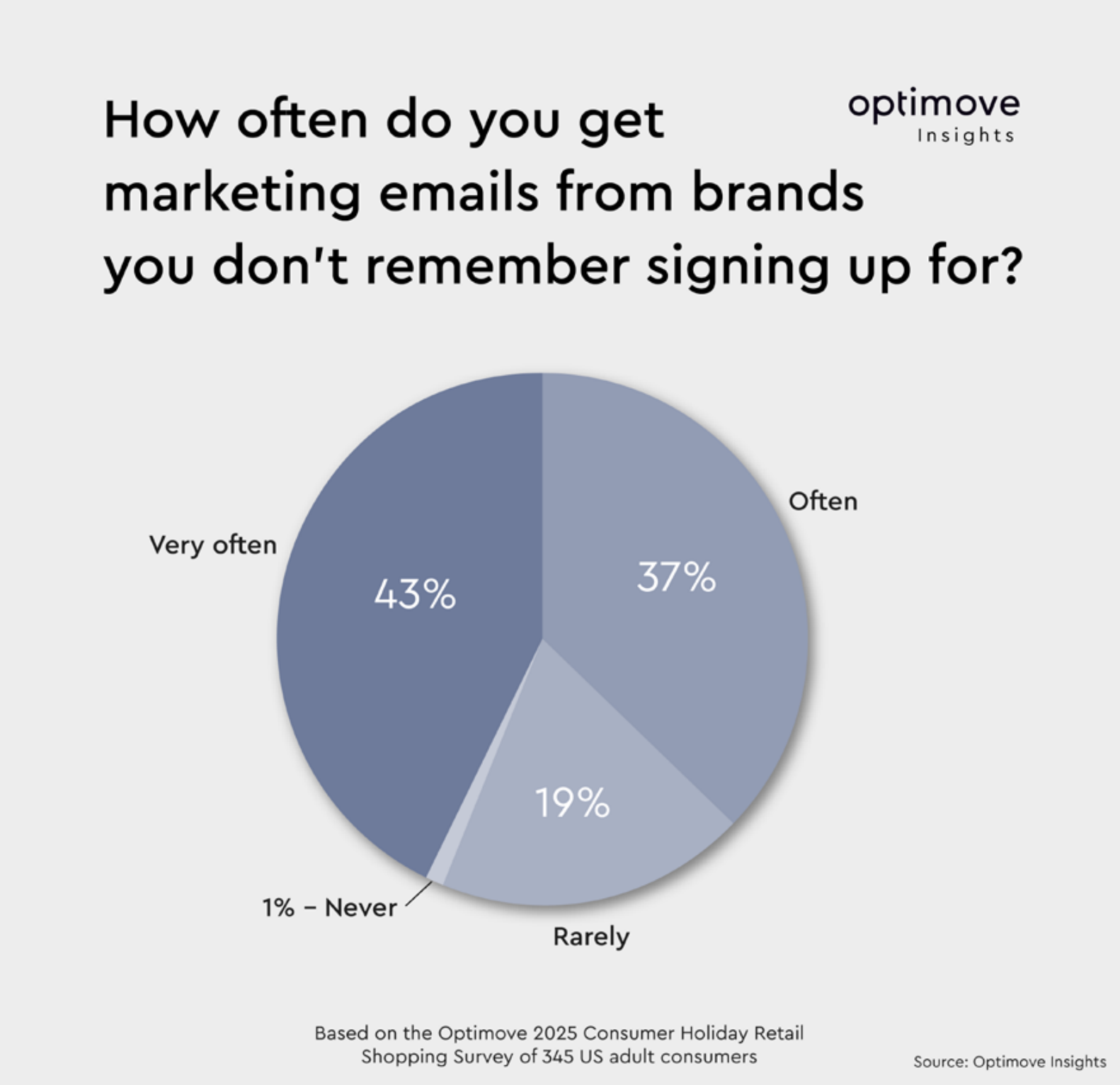
In fact, sixty-three percent (63%) of consumers do not open at least half of the emails they receive from brands. Additionally, eighty percent (80%) report receiving emails from brands they do not remember subscribing to.
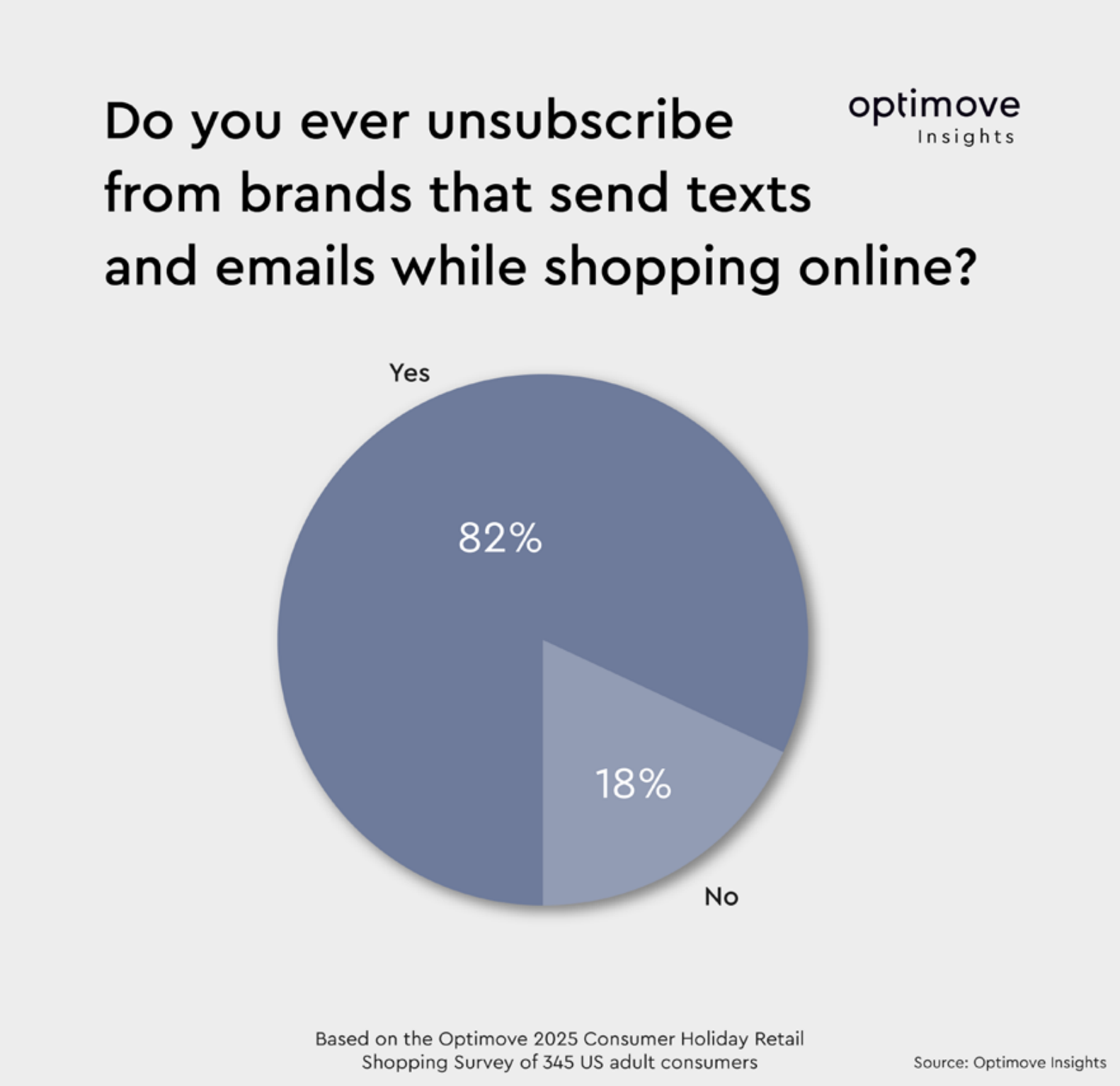
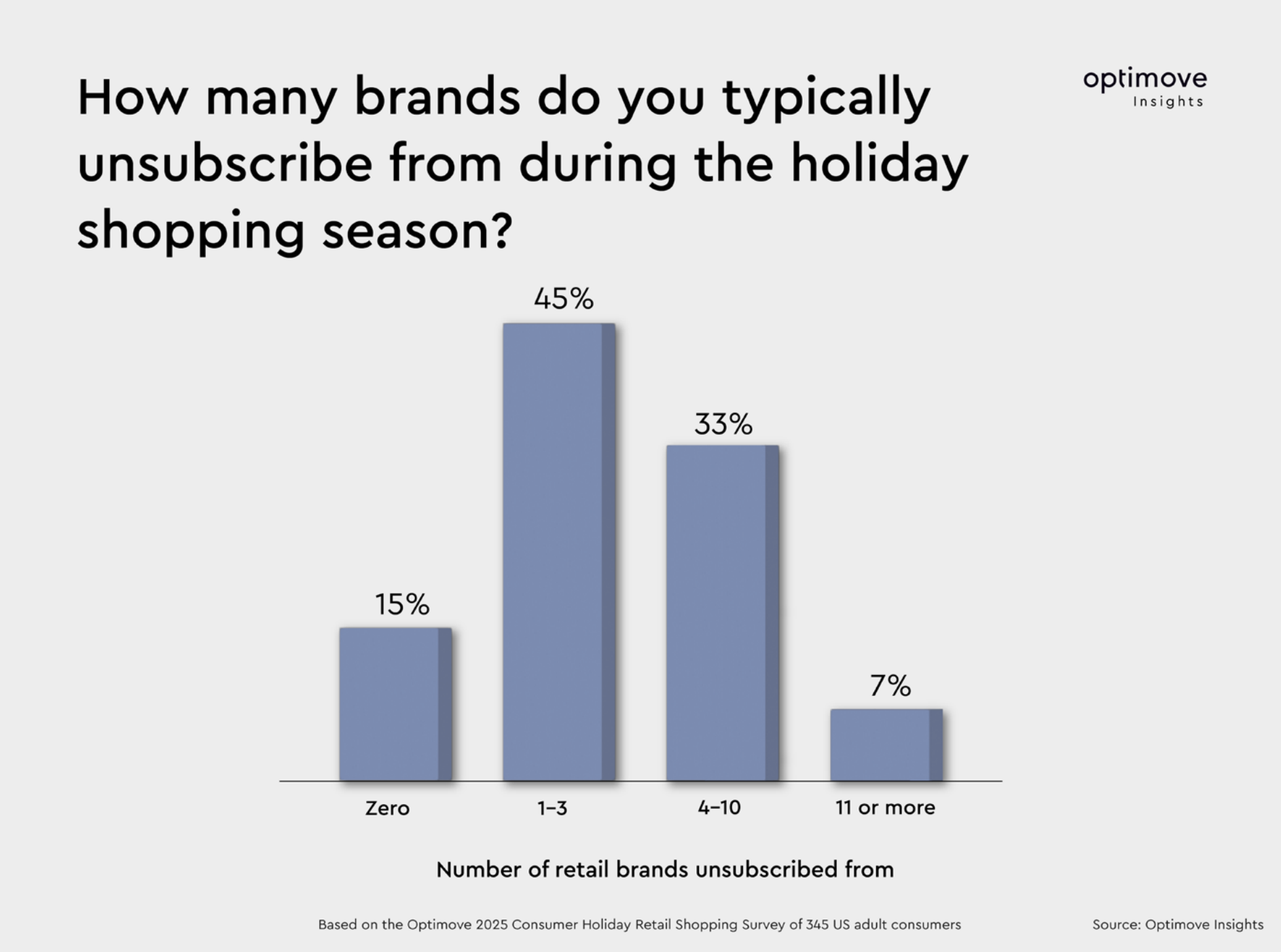
Unsubscribing is common behavior, particularly during the holiday season. More than eight in ten (82%) consumers unsubscribe from brands while shopping online. Forty percent (40%) of respondents unsubscribe from four or more brands during the holidays.
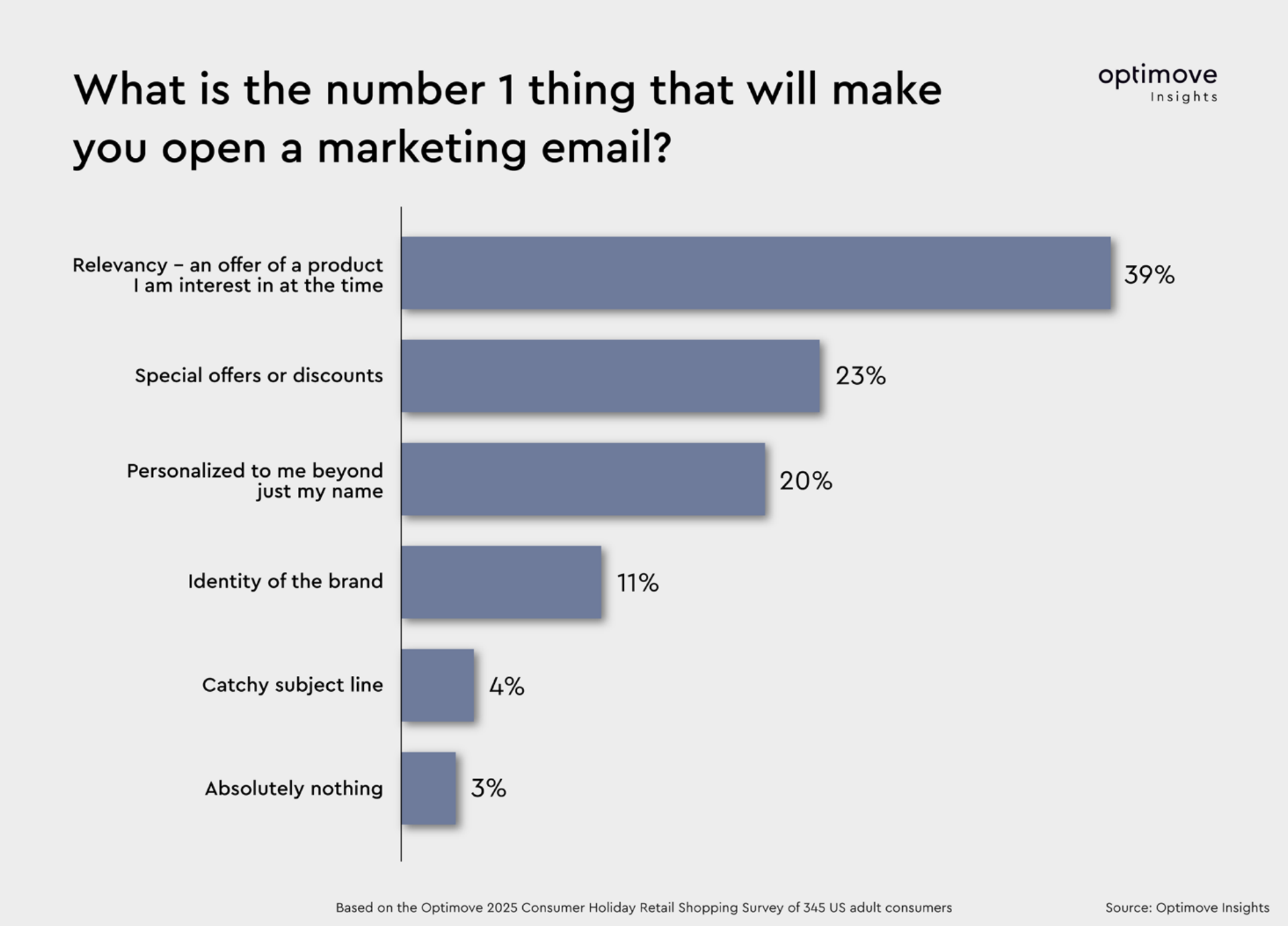
The top reason a consumer opens an email from a brand is the relevancy of the offer, cited by 39%. Special offers and discounts follow at 23%, while 20% of consumers say they open emails because of personalized messaging. This underscores the importance of using data to deliver content that feels meaningful and timely.
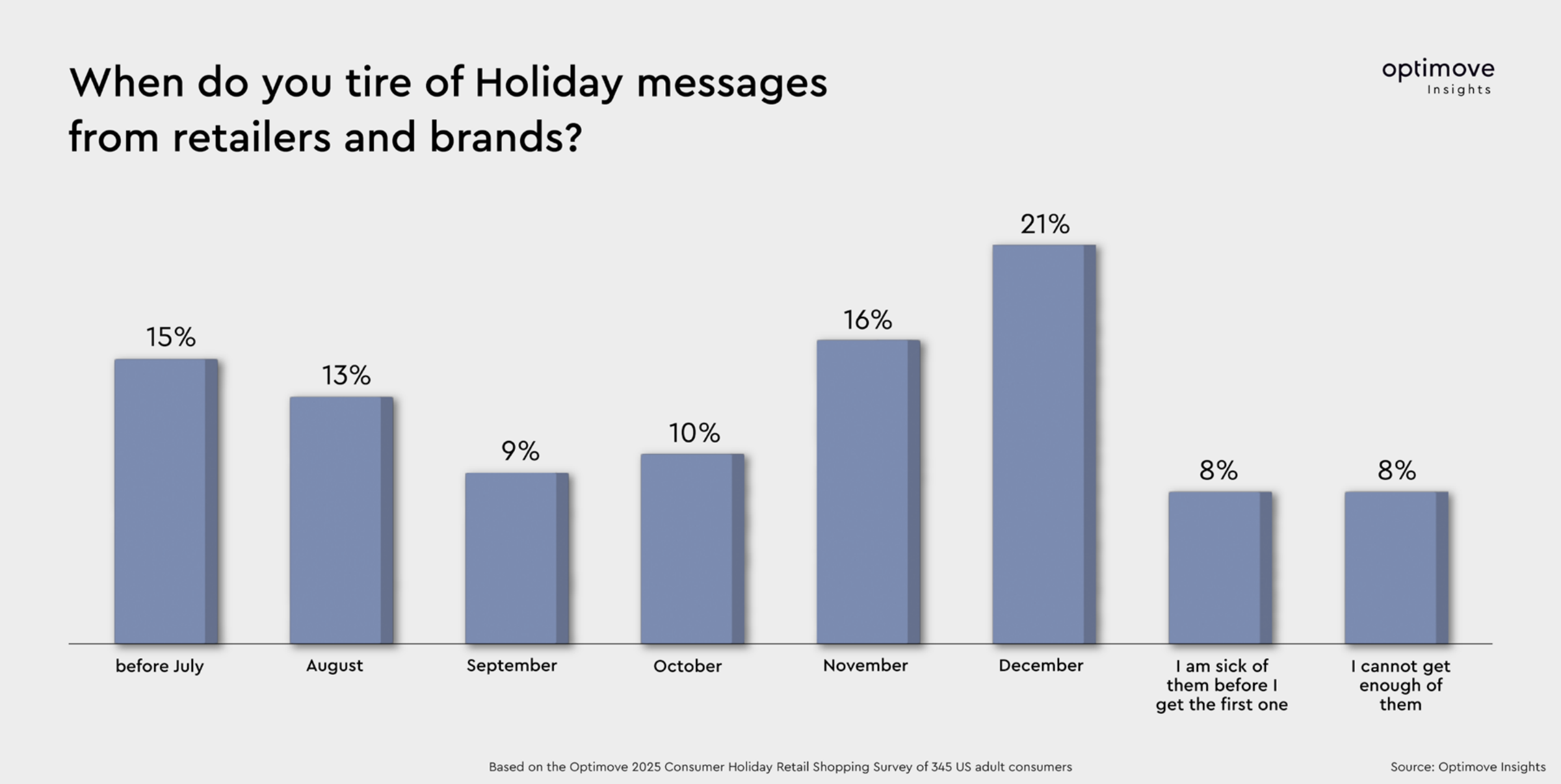
By October, almost half (47%) of consumers say they are already tired of holiday marketing messages. By the end of November, that number rises to 63%. Retailers must balance early outreach with thoughtful pacing to avoid overwhelming their audiences.
The Optimove 2025 Consumer Holiday Retail Shopping Survey reveals that price sensitivity is at the center of consumer decision-making this season. Shoppers are highly strategic, balancing price, quality, technology, and values when making purchases. This is consistent with consumers’ concerns about inflation and tariffs.
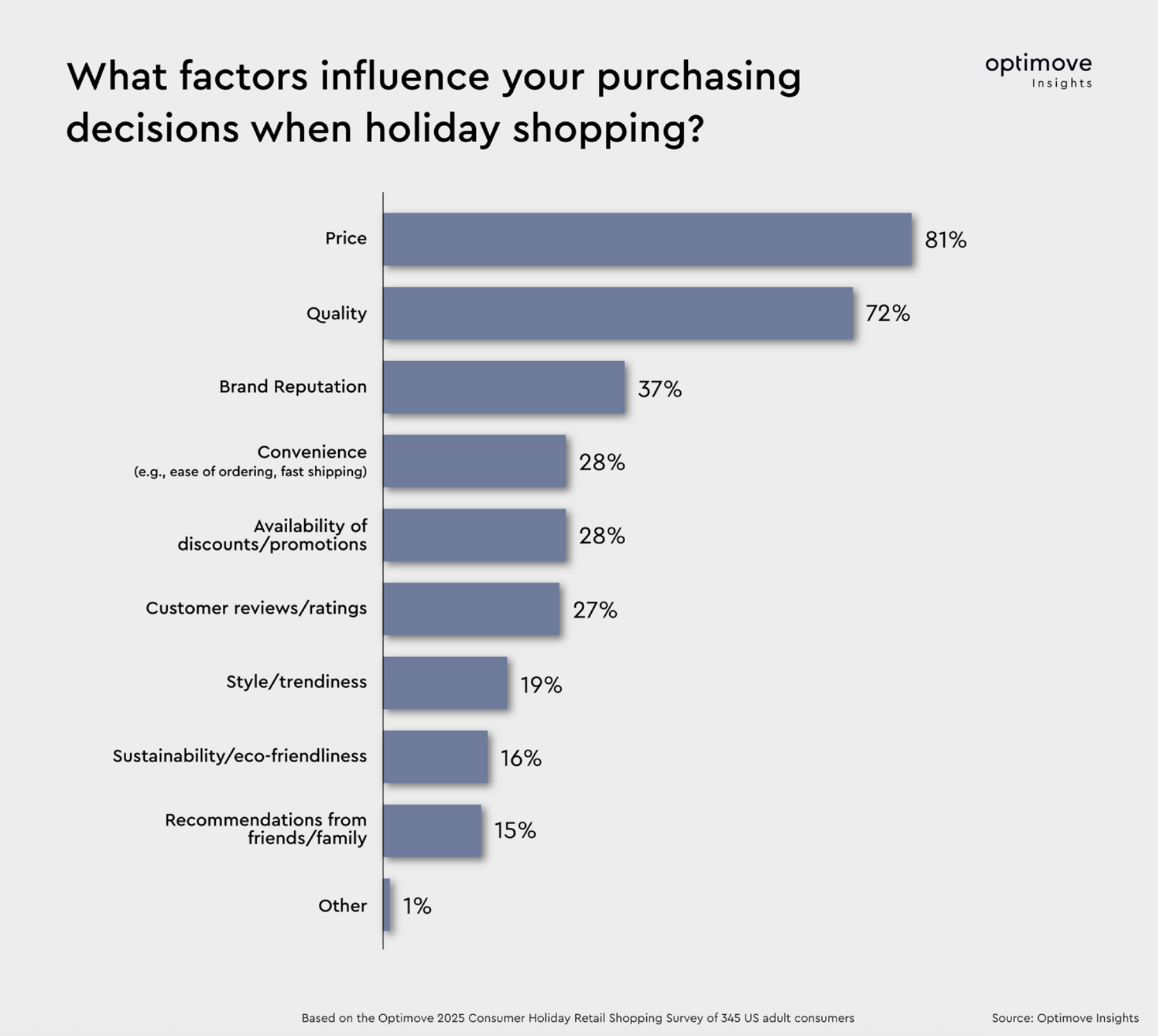
Price is the top consideration for holiday shoppers. Sixty-four percent (64%) of consumers said price is more important than service when making purchasing decisions. Consumers are even more price-sensitive this year than in previous seasons. Eighty-one percent (81%) of respondents said price is the most important factor influencing their shopping decisions, followed by product quality at 72%.
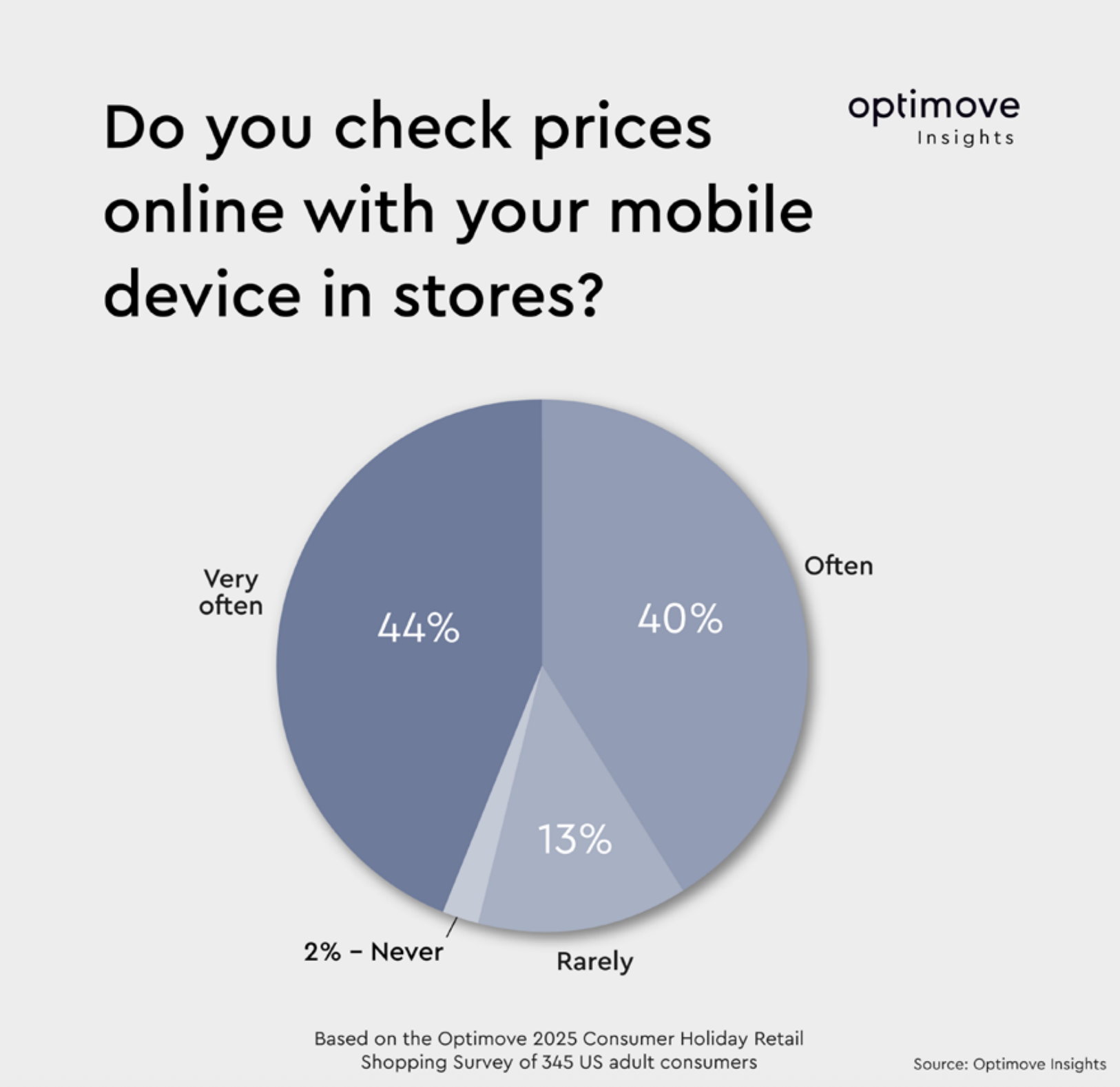
Today’s shoppers are tech-enabled and comparison-driven. Eighty-four percent (84%) of consumers said they check prices online while browsing in physical stores. Forty-four percent (44%) do this very often, highlighting the need for retailers to maintain consistent pricing across channels to avoid losing sales to competitors while customers are standing in-store.
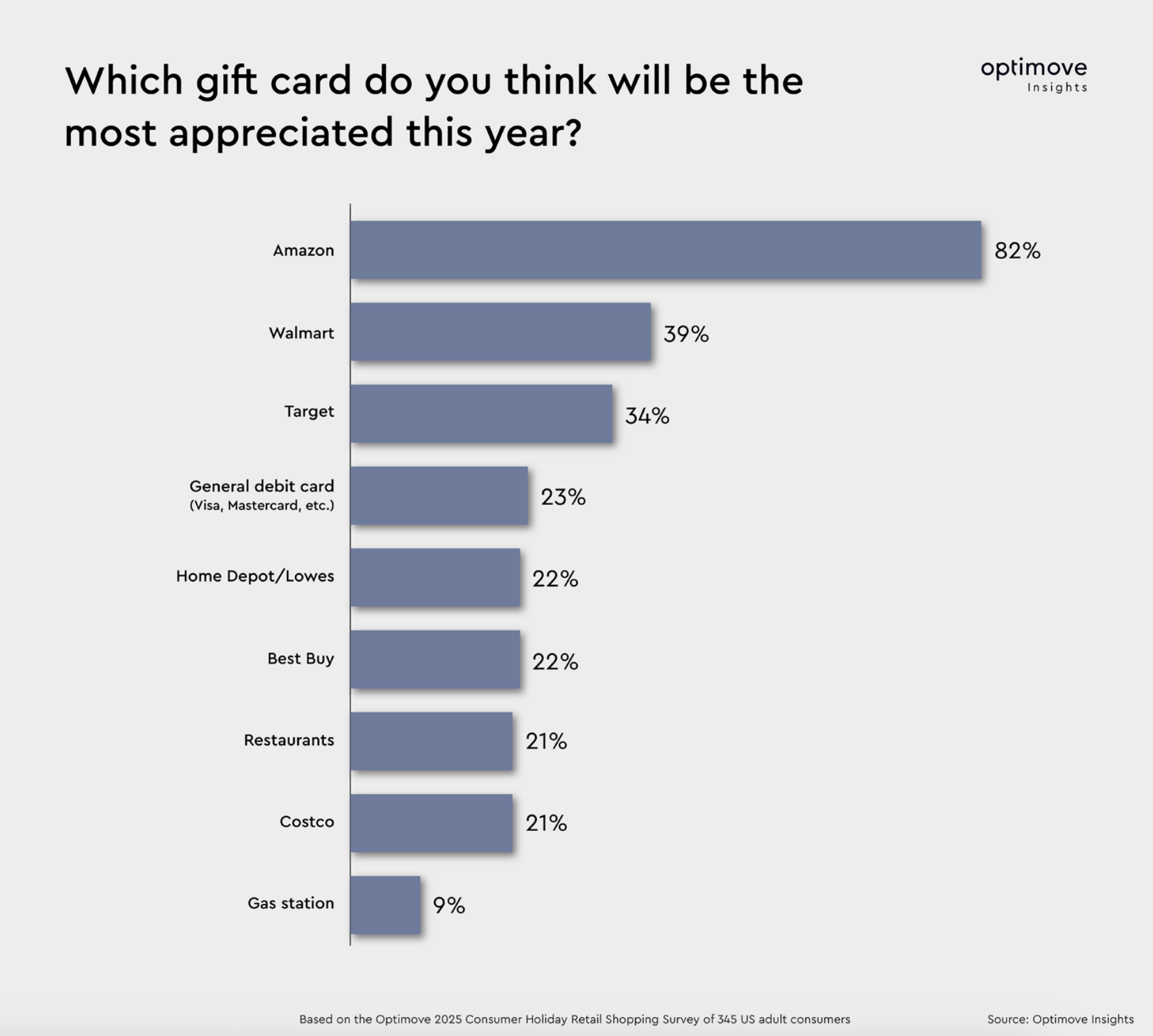
Gift cards remain a popular choice for holiday shopping. Eighty-one percent (81%) of consumers plan to buy gift cards this season. Among those, Amazon is the clear favorite, with 82% of shoppers selecting Amazon gift cards. Walmart is the second most selected at 39%, followed by Target at 34%.
More than half of consumers (51%) are consulting AI tools for gift ideas. This trend underscores the growing role of generative AI and recommendation engines in shaping holiday shopping decisions.
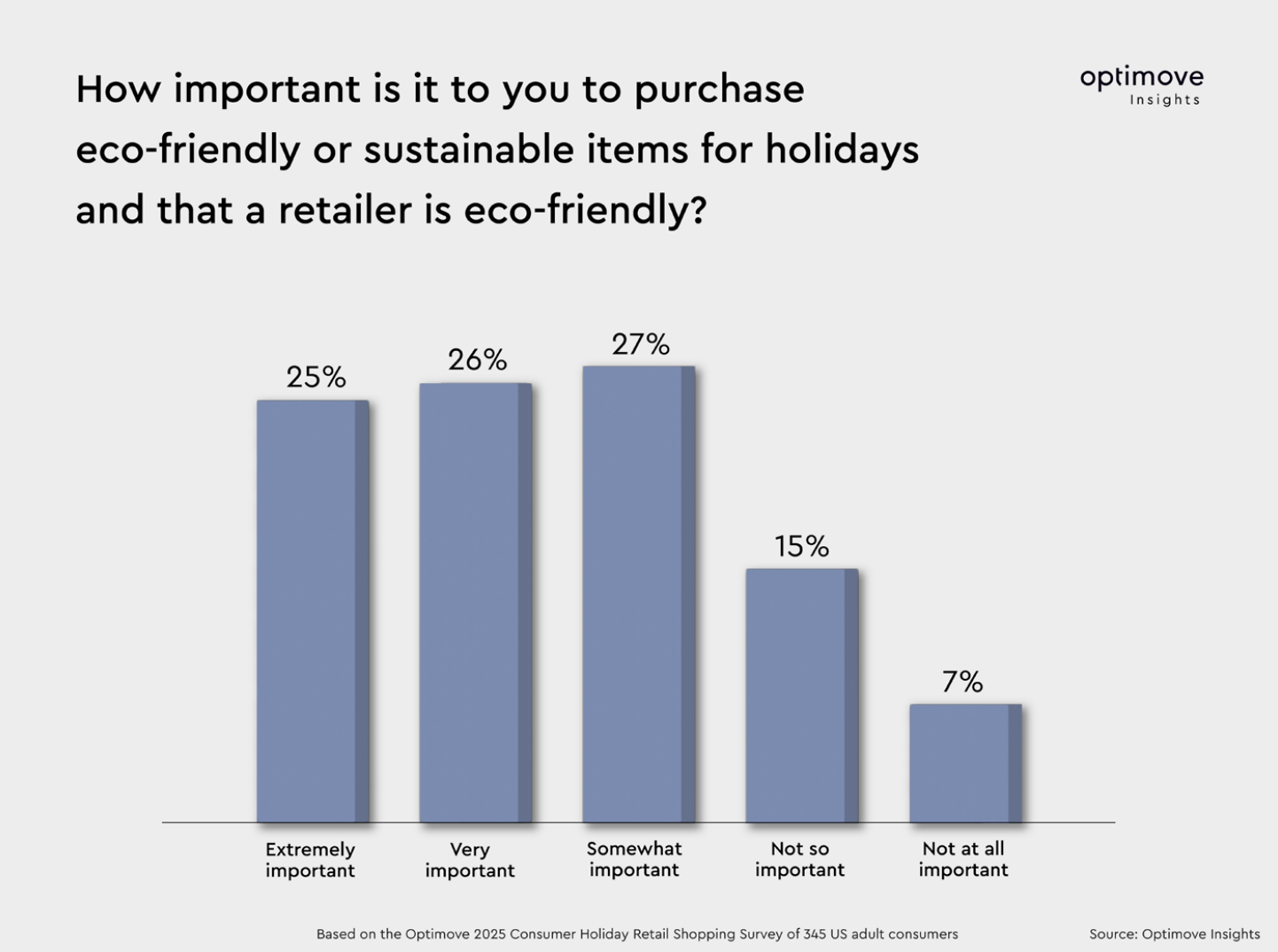
Consumers are not just focused on price; they also care about sustainability. Sixty-six percent (66%) of holiday shoppers said it is crucial that a merchant has a commitment to the environment. Plus, sixty-six percent (66%) are willing to pay more for products from eco-friendly merchants.
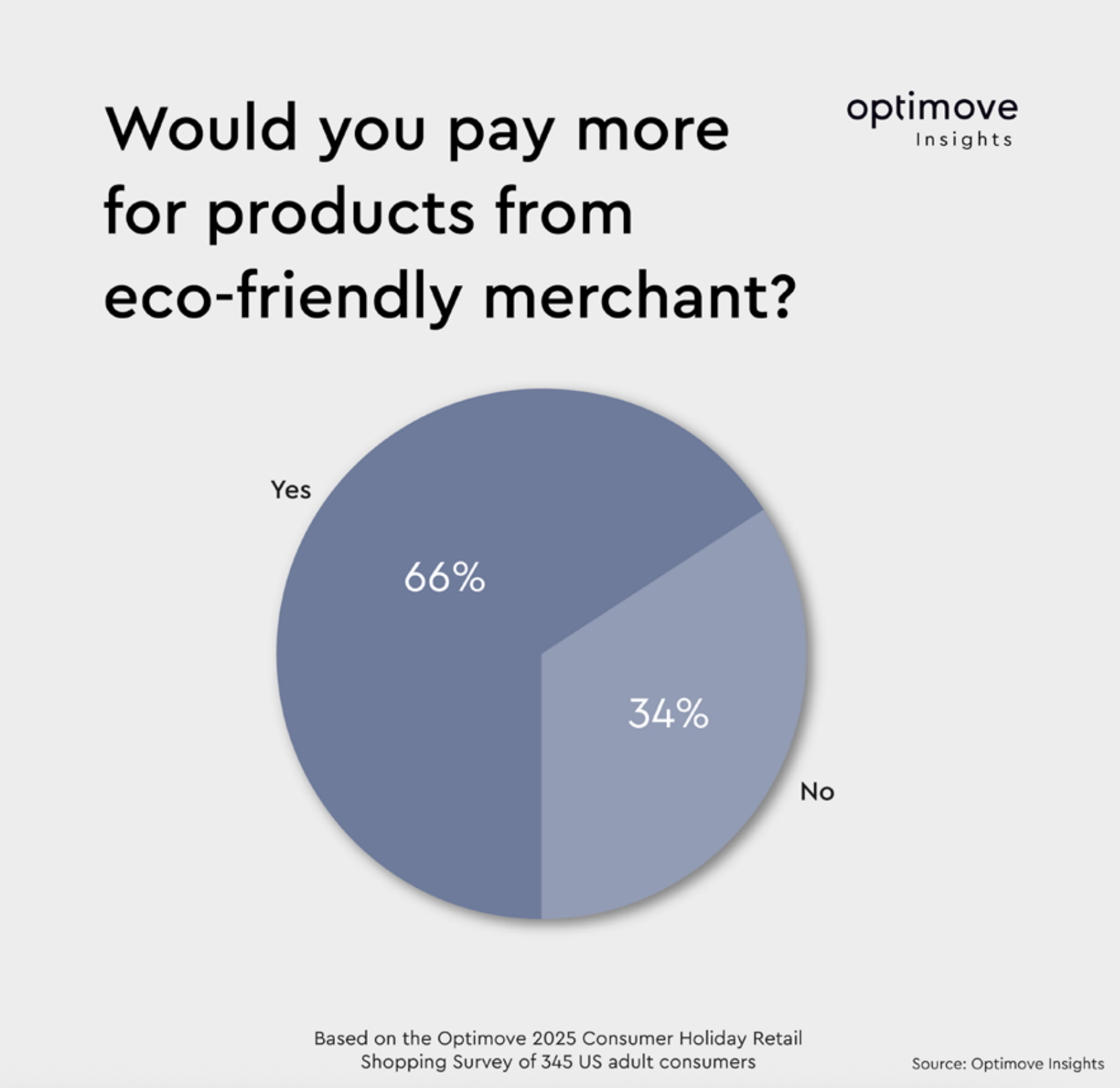
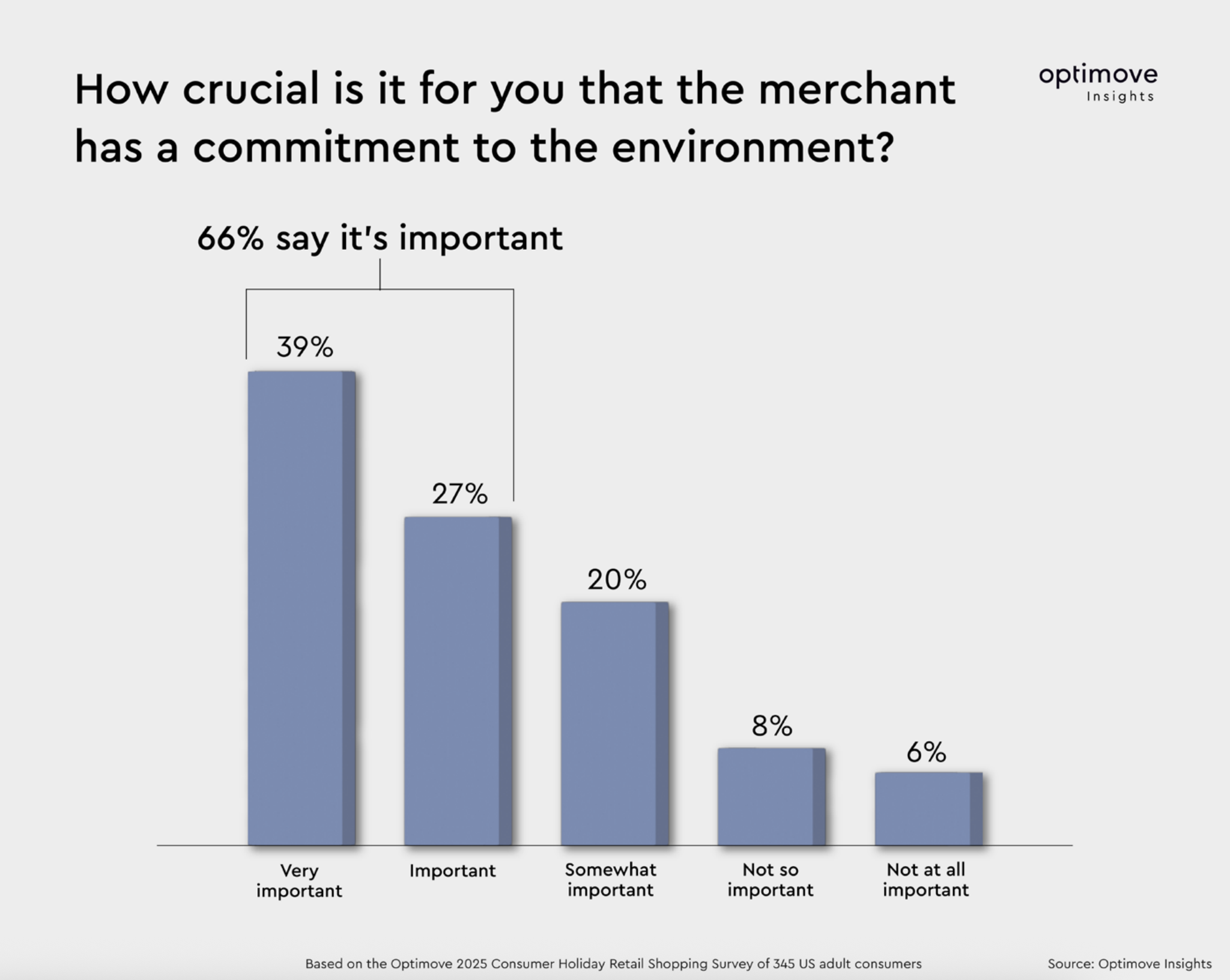
Additionally, fifty-one percent (51%) said it is important to buy eco-friendly products specifically from brands that demonstrate a broader commitment to environmental responsibility.
Based on the findings, marketers should prioritize strategies that enable speed, personalization, and empathy. Here are actionable recommendations to help brands succeed this holiday season:
In Holiday 2025, marketing success will go to the brands that combine speed, empathy, and data-driven precision. Marketers who adopt Positionless Marketing, enabled to work across data, creative, and execution without silos, will be best positioned to meet the moment and drive customer loyalty for the long term.
Optimove, the creator of Positionless Marketing, frees marketing teams from the limitations of fixed roles, giving every marketer the power to execute any marketing task instantly and independently. Positionless Marketing has been proven to improve campaign efficiency by 88%, allowing marketing teams to create more personalized engagement with existing customers.
Optimove is recognized as the Visionary Leader in Gartner’s Magic Quadrant for Multichannel Marketing Hubs. Being a visionary leader is a hallmark of Optimove. It was the first CRM Marketing Platform to natively embed AI with the ability to predict customer migrations between lifecycle stages in 2012. Today, its comprehensive AI-powered suite is at the leading edge of empowering marketers to optimize workflows from Insight to Creation and through Orchestration.
Optimove provides industry-specific and use-case solutions for leading consumer brands globally.
For more information, go to Optimove.com
Optimove Insights is the analytical and research arm of Optimove, dedicated to providing valuable industry insights and data-driven research to empower B2C businesses.