
Unified Growth Solution
World-class tech needs world-class drivers. AI platform and expert services, unified
Read time 12 minutes


Why it matters:
Gamification gives marketers a practical way to earn attention instead of interrupting it—driving deeper engagement and repeat visits through incentives and fun. This post helps you understand where games fit in a campaign and what outcomes to measure, from awareness to sales impact.
Key takeaways:
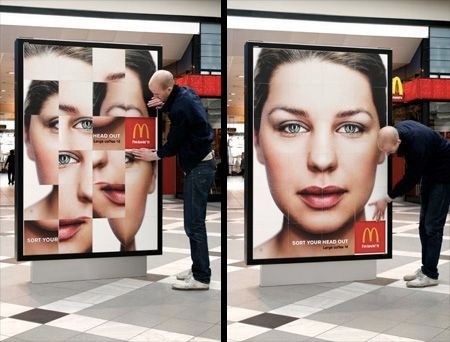
How many of you would stop and play with this? We know we would. Now imagine if there were also a McDonald's discount for completing the puzzle?
You’d probably go for it. After all, who doesn’t want to have fun, save some money, take a cool photo AND get your favorite food?
This is how gamified marketing works.
Gamification is known as the unicorn in modern marketing. Games can promote interaction and encourage user engagement, unlike any other marketing strategy out there today.
As the game industry grows, so does in-game marketing and advertising. There are obvious benefits to using games in your marketing strategy.
Today, we will talk about what those benefits are and exactly how you can strengthen your marketing campaign through mobile gaming.
There are endless advantages that prove using games in marketing campaigns is more effective and more engaging than traditional marketing.
One way for a business to easily capture customer attention is to create branded games. This way, you can teach people about your company while they play a game. You can customize the design, content, and even the type of the game itself so that they all point to your specific business.
Branded games use in-game advertising to subconsciously increase brand awareness among users. They are quick and easy to make and have high marketing opportunities for players.
Most people use multiple electronic devices throughout their day. Which platform or device they use is based on the specific task at hand, the time of day, or their location. The good news is that using games in marketing campaigns can be done on any device or platform at any given moment!
Plus, you can easily target a very broad audience. Your games can be played across the globe, and you can even customize them for specific locations to spark even more interest in people. For example, if a person from France sees a cultural symbol they easily recognize, it will be much easier to attract them to play your game.
You usually create and run online games using gamification software, such as Optimove Minigames. These in-game marketing platforms use cloud services to help create campaigns that can be monitored and analyzed by the creator.
Real-time analytics helps you generate leads and make informed business decisions. Stats such as the number of plays, games started, games completed, and landing page visitors give you a good indication of how their campaign is doing and what they need to improve.
You can also use games to collect customer data to get an in-depth look at your current customer base. The specific information gathered from users is entirely up to the brand and can be as detailed as you like.
Traditional marketing techniques include a direct approach in which users are bombarded with advertisements or product announcements, regardless of their interests. However, games in marketing use a different approach. Instead of chasing people, your goal is to get them to come to you.
If you think this is impossible, try to think of at least one person who logs in to Facebook to ‘feed their pet’ in the game; otherwise, they’ll lose all the points. So, why couldn’t this be the case with your branded game as well?
Gaming is a powerful tool for client retention because customers generally spend more time on a platform when they are playing games. The game’s interactive content, subtle product placement, and valuable incentives to win make for a gamer’s paradise. The right game can excite users and keep them wanting more.
Another benefit of using games in marketing is their high replay value. The fact that these games are fun and engaging encourages customers to return.
The best way to achieve this is through rewards. You can offer discounts, promo codes, online gifts, or even material gifts. Awarding players can promote retention and strengthen their desire to interact with a brand.
Customer loyalty generates a strong community of clientele and is highly encouraged through successful game marketing.
Games in marketing boost company sales by leveraging one unique, highly attractive element—entertainment.
It’s documented that 60% of customers are more likely to buy from a brand if they enjoy playing its marketing game campaign. This stat shows that when using an in-game marketing strategy, the right game can make a sale in just minutes.
Making product offers immediately following gameplay is also something that can be implemented to increase sales from existing customers. Rewarding players with points or discount codes motivates them to use their winnings on an immediate purchase.
When loyal customers visit your site, they are drawn to new and exciting features, such as minigames. Their curiosity entices them to play these games, and eventually they end up with your product in their cart, along with their newly earned discount offer, ready to use.
It’s quite simple, really. Keeping customers happy and engaged encourages them to spend time on your site. The longer they stay on site, the more they are likely to purchase. That’s what we call a win-win situation!
In-game marketing is an effective way to increase product sales, whether a company uses an advent calendar, a competitive game, augmented reality, a questionnaire, a puzzle, or a video game.
Here are a few concrete examples of some sales-boosting marketing games that are provided when you sign up with Optimove Minigames.
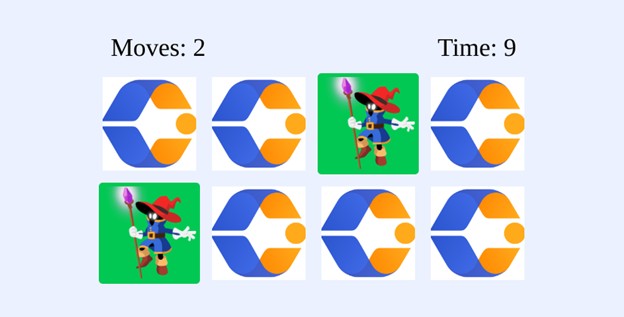
Memory is a popular puzzle game that uses logic and recall to help the users match two cards together. This game can heighten brand awareness by matching product names and pictures, demonstrating different variations of a company’s logo, or introducing new products to customers.
The Memory gamification strategy is one of the simplest campaigns to make. In no time at all, you can have a foolproof way to market your products and get people interested in your brand!
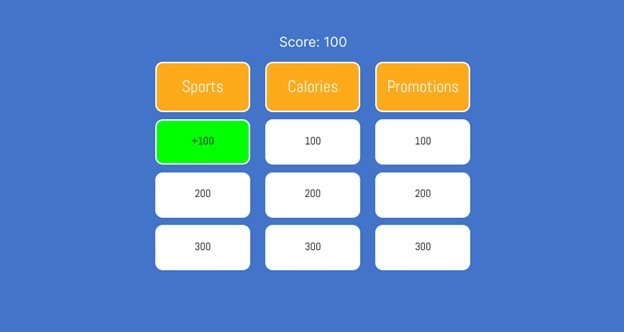
Jeopardy is one of those timeless games that appeals to a large audience. This knowledge game uses categories with multiple questions, each with a certain point value.
In-game marketing with Jeopardy can be done just like playing the traditional version of the game, only with a twist. You can also add some promotional questions within the game without customers noticing.
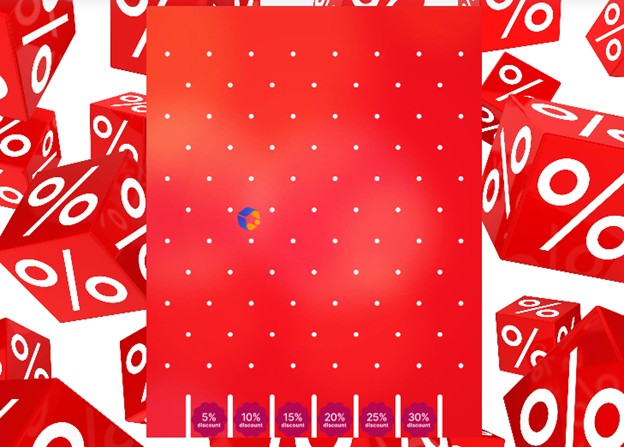
Plinko is both a game of luck and a game of strategy. Players drop their icons to see which prize they eventually land on. Optimove Minigames allows the creator to set their prize probabilities and use custom coupon codes uploaded directly to the game.
A video game marketing strategy with Plinko involves giving both new and long-standing customers a chance to win discounts on your website. Just upload the desired savings code, customize the game to your liking, and wait for the sales to start flowing in!

Open the box is a game of sheer surprise for the player. The customer could win a gift voucher, points for their profile, or have access to a current product promotion before other users.
The excitement of not knowing which reward they will win, along with the game's obvious simplicity, keeps people on their toes. If you are looking for an easy and successful game to bring in new customers and generate sales, then Open the Box is the game for you.
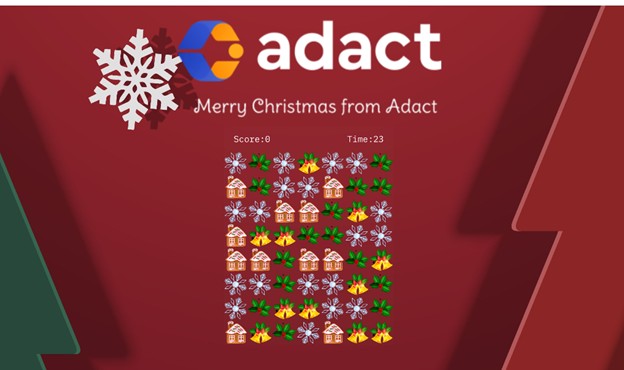
Match 3 is a game that everyone now knows and recognizes. It involves matching same-colored candies to eliminate them from the game board and replacing them with new ones until the level is complete.
The reason that this game is so addictive is because of its simplicity and attractive design. In a gamification campaign, companies can adapt the Match 3 game to easily align with their brand and showcase their products.
It is also possible to reward players for completing each level of the game. As we are aware, rewards are a great way to enhance engagement and grab user attention. Overall, the Candy Crush marketing strategy is a popular way to capture clients’ interest!
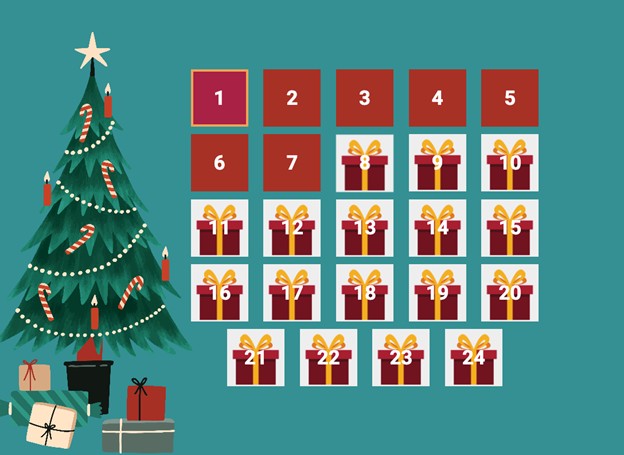
If you decide to create a gamified marketing campaign around the holiday season, then Advent Calendars could be a perfect option. These holiday-themed games are an old-school way to let users win a daily prize or learn about a new product.
While physical Advent Calendars are popular, digital ones have some clear benefits for marketing. They have no production costs, can be easily shared, and are customizable to your brand.
These unique marketing campaigns make a company stand out from the rest by giving it an artistic edge. Not only do these games boost sales and heighten brand awareness, but they also align with the company's values and resonate with customer. This gives the user a feeling of togetherness and joy during the holiday season.
It’s obvious that these game ideas have the potential to increase sales and heighten engagement, but how do we know they really work? Take a look at some of Adact’s case studies that prove video game marketing’s success.
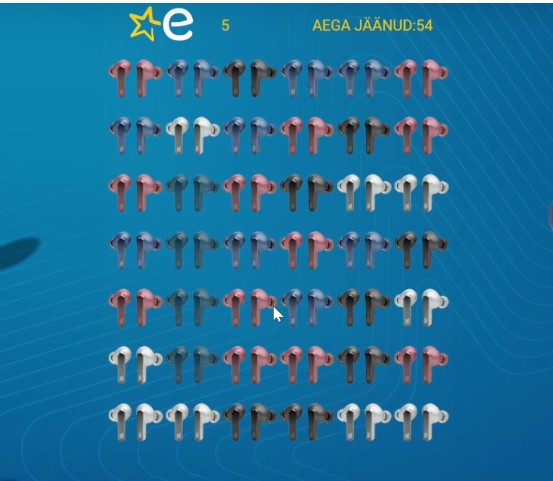
Euronics used Optimove Minigames to create a customized Match 3 game to raise awareness of their new JBL headphones. The minigame involved matching headphones and earning points.
Results:
- 6,100 unique page visitors
- 54,000 games started
- 3,300 unique leads
- 6.2 minutes average engagement time
These phenomenal results increased sales and brand awareness for the company. The Candy Crush in-game marketing was not only successful, but it also generated data for Euronics to use in future marketing campaigns.
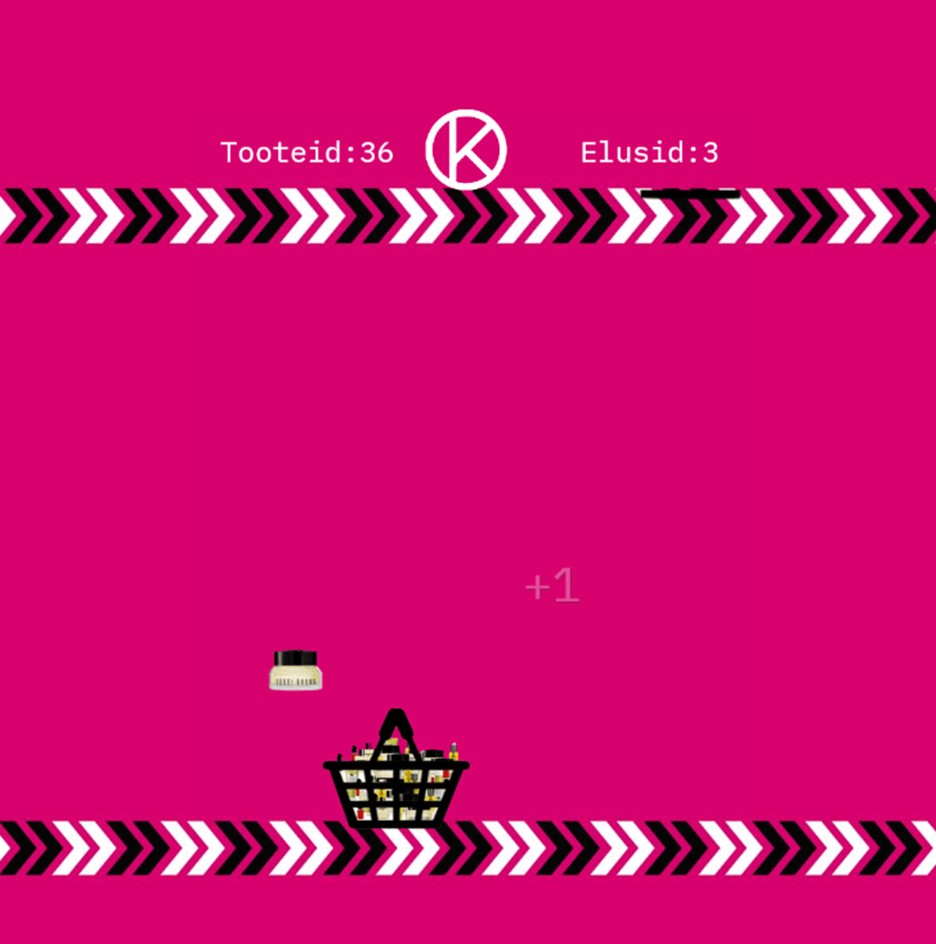
Kaubamjama decided to jump on the video game marketing bandwagon and promote their autumn flash sale by developing a Drop Game through Optimove Minigames. This game, called Shopping Race, was posted for only one day to promote the products on sale.
Results:
- 10,000 players in one day
- 99% game completion
- 150-second average playtime
This simple yet effective game got people talking and generated excitement for the company. Subsequently, Kaubamjama saw a significant rise in both sales and foot traffic on their website due to user interest in their new Shopping Race game.
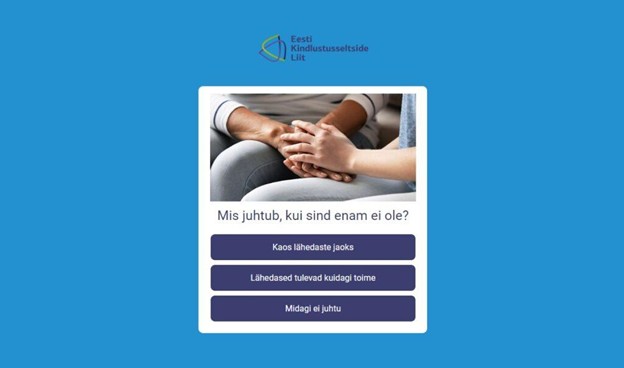
The Estonian Insurance Association (EKSL) wanted to find a way to raise awareness of life insurance. They decided to team up with Optimove Minigames to create a Personality Test that prompts people to reflect on their personal experiences and how having life insurance could benefit them and their loved ones.
Results:
- 1,000 users in one week
- 97% completion rate
Compared with traditional marketing campaigns—such as social media posts or banner ads—the Personality Test is much more engaging and interesting. The game reached thousands of people and made them take a second look at how important having life insurance is for the ones that they leave behind.
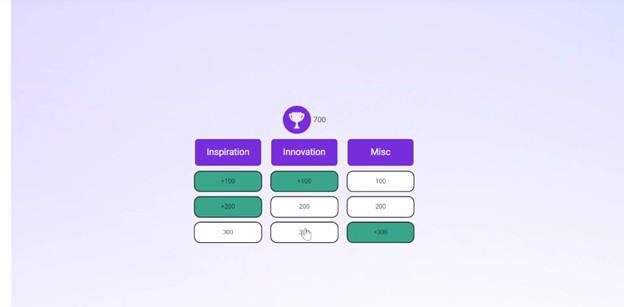
Atomic Wallet recently partnered with Optimove Minigames to create a Jeopardy-style marketing campaign offering crypto rewards. The company’s goal was to reward their users based on their knowledge about Polygon—a form of cryptocurrency available through Atomic Wallet.
Results:
- 246,000 unique payers
- 95% game completion rate
The results show that this campaign was a great success! Almost everyone who participated finished all 8 questions to complete the game. The fact that players were highly engaged means more time was spent learning about the product. The crypto rewards were the cherry on top of this marketing strategy to entice people to get involved.
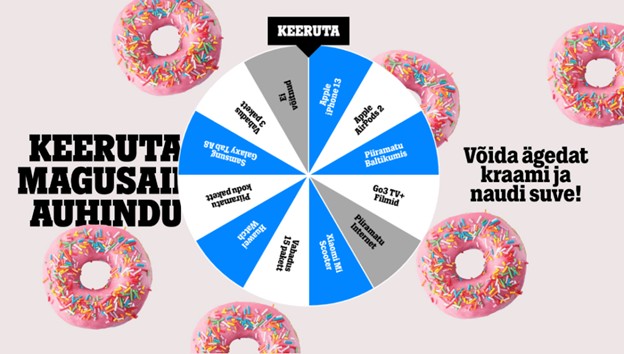
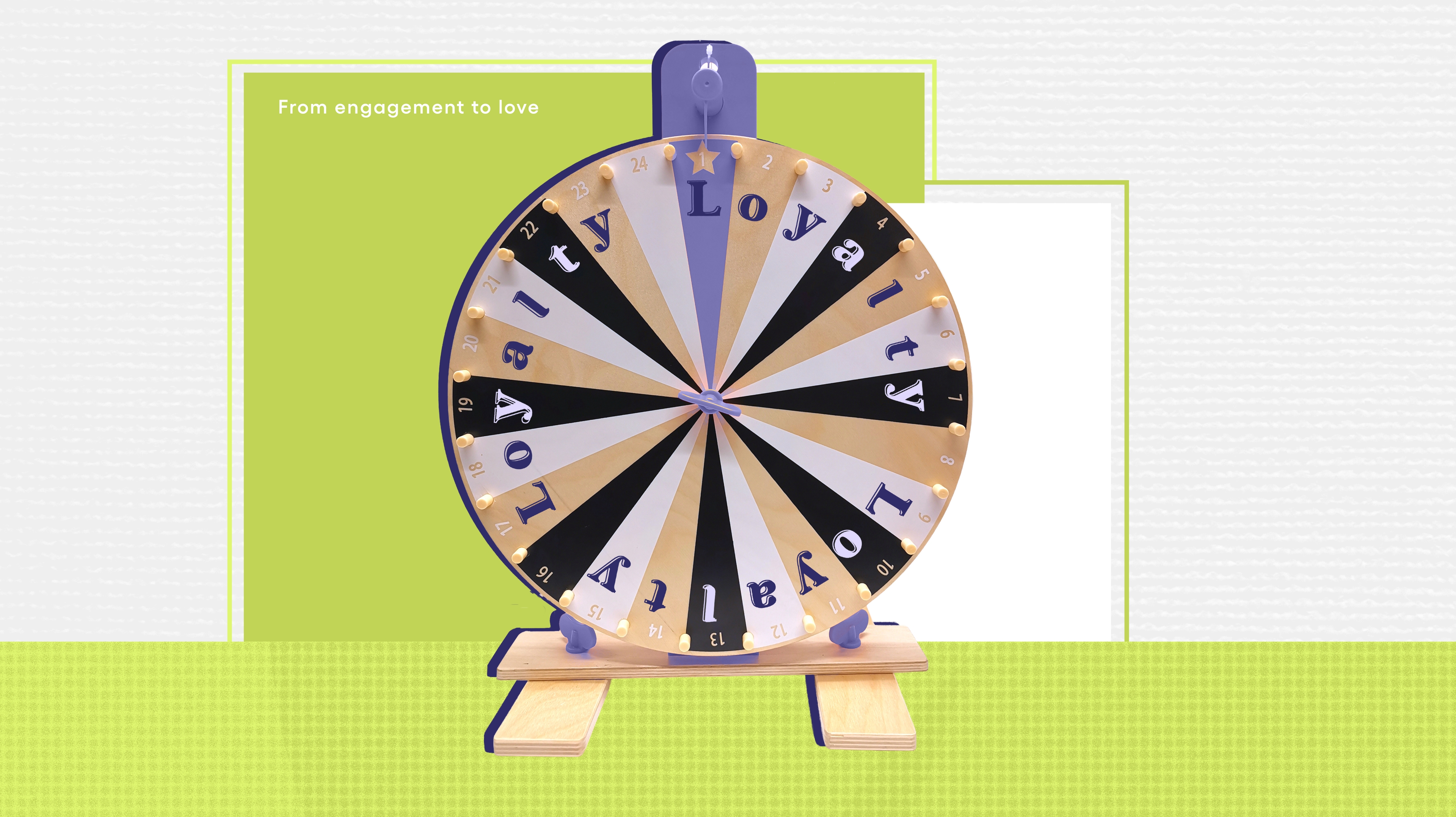
The Estonian Telecom Company Tele2 chose to build a Wheel of Fortune game on Optimove Minigames to acquire leads and get their products out there. They used this luck-based game to reward users with prizes such as discount codes and offers, and to try to keep them engaged longer.
Results:
- 10,069 leads
- 18,683 game plays
- Constantly high gameplay rate for 2 weeks
The Tele2 marketing manager told us that the campaign remained an attractive piece of their marketing strategy for the 14 days that it ran. The game managed to capture the interest of both new and long-time customers through entertainment and the chance of winning. Overall, the marketing campaign was a total success!
Gamified marketing is the ultimate way to boost sales, deliver high-quality products in B2B marketing, and increase engagement among current and future clients.
Creative marketing campaigns are made using software programs like Optimove Minigames. I can change the game for a company by encouraging brand loyalty, customer retention, and acquiring new leads.
If you are looking to switch up your marketing to something fun and practical, in-game marketing campaigns are just the thing you need!
Gamification turns marketing into an experience customers choose to engage with—helping brands build awareness, collect useful data, and keep audiences coming back through incentives. When paired with timely offers, games can also translate attention into sales.
For more insights, contact us to Request a Demo

Writers in the Optimove Team include marketing, R&D, product, data science, customer success, and technology experts who were instrumental in the creation of Positionless Marketing, a movement enabling marketers to do anything, and be everything.
Optimove’s leaders’ diverse expertise and real-world experience provide expert commentary and insight into proven and leading-edge marketing practices and trends.