Unified Growth Solution
World-class tech needs world-class drivers. AI platform and expert services, unified
Read time 5 minutes


Why it matters:
Campaigns are getting more complex, and the biggest delays often come from fragmented setup across screens and tools. This post explains how Campaign Builder’s connected setup flow reduces operational friction so teams can execute faster without losing context.
Key takeaways:
Marketing teams have more customer intelligence, more channels, and more campaign possibilities than ever before, but having more ways to personalize also means having more moving parts to manage.
As campaigns become more complex, execution needs to become simpler. Marketers should be able to move from idea to launch without losing time to disconnected setup steps or switching between different areas of a platform.
Too often, that is exactly where momentum slows. Creating assets, configuring campaign logic, setting up offers, and preparing campaigns for launch can become a fragmented process, even when each individual step is simple.
For example, building a triggered welcome campaign might mean setting up the trigger in one area, creating the message template in another, configuring the promotion somewhere else, and only then assembling everything in the campaign flow.
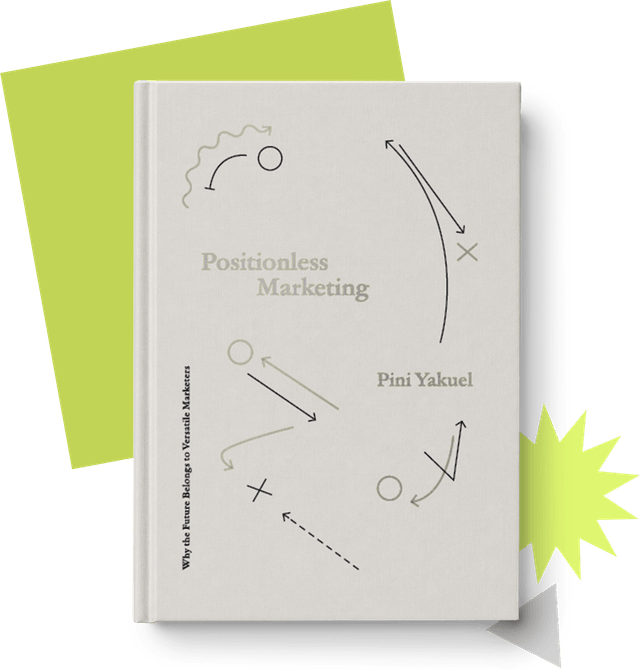
That kind of fragmentation is exactly what Positionless Marketing is designed to remove from the day-to-day campaign process, giving marketers a faster, clearer way to move from idea to execution.
Campaign execution should feel like one connected path from idea to launch. That is why Optimove is making its Campaign Builder a more complete execution workspace.
Marketers can now create more of the campaign elements they need directly from the campaign setup flow, including templates and promotions. For triggered campaigns, they can also create or select the trigger while building the campaign. This lets them define the conditions, sequence, and timeframe that determine when the campaign will activate without leaving the Campaign Builder.
In practice, that same triggered welcome campaign mentioned above can now be built without leaving the setup experience. Marketers can define or select the trigger, create the template, connect the promotion, and prepare it for launch - all in the same place.
The value comes from keeping context intact, too, so marketers can create or select campaign elements within the setup flow rather than managing them as separate tasks elsewhere on the platform.
That matters because the Campaign Builder is where customer data, campaign logic, and execution come together. By bringing more creation capabilities into that flow, Optimove helps marketers act on customer intelligence more directly, turning insight into action without separating planning from setup.
In practical terms, this helps preserve consistency across the campaign, reduces context switching, and creates a clearer path from intent to execution.
This focus on execution is also reflected in Optimove’s market recognition.
In the Gartner Critical Capabilities for Multichannel Marketing Hubs report 2025, Optimove received the second-highest ranking for the Journey and Campaign Execution Use Case and the third-highest ranking for the Workflow Innovation Use Case.
For marketers, these rankings are meaningful because they reflect the areas where Positionless Marketing becomes practical: turning ideas into customer experiences, and making that process simpler, faster, and easier to scale.
That recognition reinforces the direction Optimove continues to advance by making campaign execution more centralized, more guided, and more connected to the customer data that powers every interaction.
Recent Campaign Builder improvements reflect that direction by helping marketers create what they need, understand how each element supports the campaign, and move from insight to action with fewer operational steps.
As campaign complexity grows, the execution experience should become more connected, not more fragmented.
For marketers, that means fewer breaks between planning, setup, and launch. For teams, it means a smoother execution process that supports the pace Positionless Marketing requires, while keeping flexibility for different campaign needs.
It also reflects an important product principle: as campaign complexity grows, the execution experience should become more connected, not more fragmented.
Positionless Marketing is often discussed in terms of AI, orchestration, and decisioning. But the workflow layer matters just as much.
Marketers move faster when the path from strategy to execution is connected, guided, and close to the data that powers every interaction. That is why the Campaign Builder is evolving to bring more campaign creation into the setup flow, helping teams reduce context switching and execute with fewer operational steps.
The future of marketing will be shaped not only by smarter decisions, but by how quickly marketers can turn those decisions into action.
For more insights, contact us to request a demo

Sophie is a product marketing manager with a communications and marketing background. She specializes in go-to-market strategy, product messaging, and digital engagement for SaaS and B2B companies. She combines creative storytelling with a data-driven mindset to clarify product value and build stronger connections with target audiences. Sophie holds a degree in Communications and Marketing from Reichman University (IDC Herzliya).
FAQ
The workflow improvements in Campaign Builder—creating key elements (like triggers, templates, promotions) directly in the setup flow instead of across separate areas.
Create templates and promotions during setup, and for triggered campaigns define or select the trigger as part of building the campaign.
Because it minimizes context switching while you’re working with customer data, logic, and execution steps—reducing rework and setup friction.
You can define/select the trigger, create the template, connect the promotion, and prep for launch within the same setup experience.
It sets the operating model and expectation for faster execution—while Campaign Builder’s connected workflow is what removes the day-to-day setup friction.